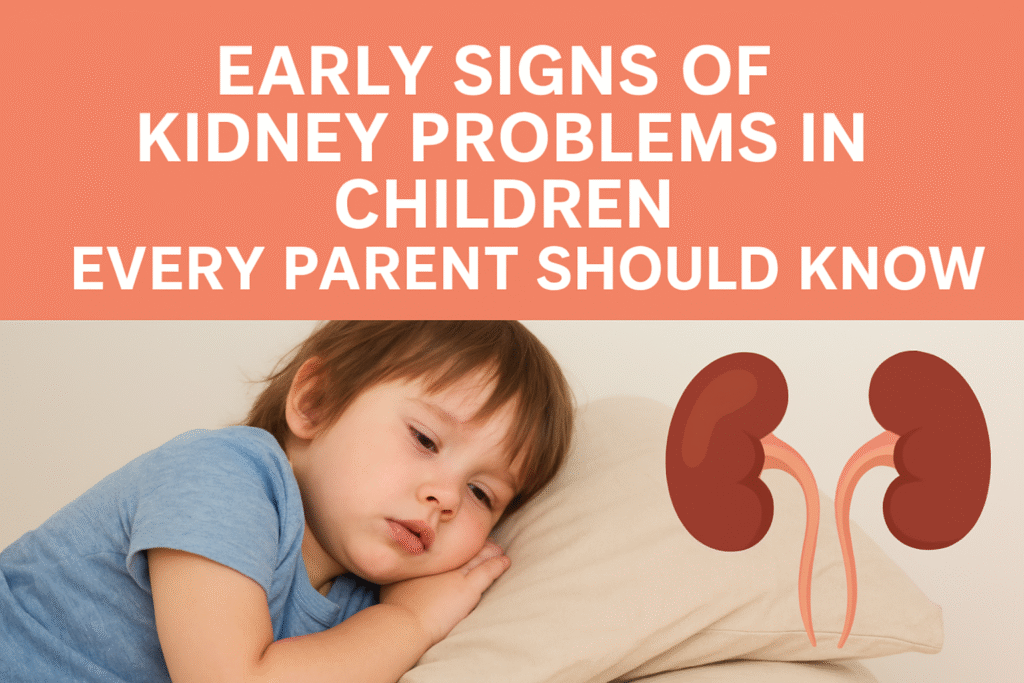
Kidneys play a vital role in maintaining overall health by filtering waste, balancing fluids, and supporting growth. While kidney issues are often associated with adults, children too can develop kidney problems that, if left unnoticed, may lead to serious complications. Parents play a crucial role in identifying the early warning signs, ensuring timely medical care, and protecting their child’s health.
In this blog, we will explore the common early signs of kidney problems in children, why awareness is so important, and when parents should consult a Pediatric Nephrologist.
Why Early Detection Matters
Children’s kidneys are still developing, which makes them more vulnerable to certain conditions such as urinary tract infections, congenital kidney abnormalities, and hereditary kidney diseases. Early detection and treatment can help prevent long-term damage and support normal growth and development. A Child Kidney Specialist can guide parents through proper diagnosis, treatment, and management to ensure the best outcomes.
Common Early Signs of Kidney Problems in Children
1. Swelling (Edema)
One of the earliest and most visible signs of kidney issues in children is swelling around the eyes, face, hands, feet, or ankles. This happens because the kidneys fail to remove excess fluid effectively. Parents often mistake morning puffiness around the eyes for tiredness, but if swelling persists, it is best to seek medical advice.
2. Changes in Urination
Kidneys are directly linked to urine production, so any noticeable changes may signal trouble. Warning signs include:
- Frequent urination, especially at night
- Reduced urination or difficulty passing urine
- Foamy urine, which may indicate protein leakage
- Pain or burning sensation while urinating
A Pediatric Nephrologist can run simple urine tests to detect abnormalities early.
3. Persistent Fatigue
Children with kidney problems may appear unusually tired or weak. This occurs because unhealthy kidneys may not produce enough erythropoietin, a hormone needed to make red blood cells, leading to anemia. If your child seems less active, has low energy, or struggles to keep up with daily activities, it could be an early warning sign.
4. High Blood Pressure
While high blood pressure is often thought of as an adult issue, it can also occur in children with kidney problems. Since kidneys regulate blood pressure by balancing fluids and electrolytes, any dysfunction can lead to elevated levels. Regular blood pressure checks during pediatric visits are essential, especially if there is a family history of kidney disease.
5. Poor Appetite and Growth Issues
Kidney problems can affect appetite, digestion, and nutrient absorption. Children may refuse food, feel nauseous, or vomit frequently. Over time, untreated kidney conditions can slow growth and delay puberty due to imbalances in hormones and minerals. Consulting a Child Kidney Specialist ensures proper evaluation and guidance for healthy growth.
6. Recurrent Urinary Tract Infections (UTIs)
Frequent UTIs in children should never be ignored, as they may indicate an underlying structural problem in the kidneys or urinary tract. Symptoms like fever, abdominal pain, foul-smelling urine, or bedwetting beyond the usual age can signal an infection. Early treatment helps prevent infections from spreading to the kidneys.
7. Pale or Unusual Skin Color
Children with kidney dysfunction may develop pale, dry, or itchy skin. This happens because toxins accumulate in the body when kidneys are not working properly. Sometimes, rashes or changes in skin tone may be the first sign parents notice.
When to Consult a Specialist
Parents often dismiss these symptoms as minor issues. However, persistent or recurring signs should be evaluated promptly. Seeking advice from an experienced expert like Dr Punit Chhajed, who is well-known for his expertise in pediatric nephrology, can make a significant difference in a child’s health journey.
A Pediatric Nephrologist can perform simple blood and urine tests, imaging scans, and other diagnostic procedures to confirm whether the kidneys are functioning properly. Early interventions can prevent complications such as chronic kidney disease or kidney failure.
How Parents Can Support Kidney Health
Beyond medical care, parents can take proactive steps to support their child’s kidney health:
- Ensure proper hydration – Encourage your child to drink enough water daily.
- Promote a balanced diet – Reduce excessive salt, processed foods, and sugary drinks.
- Encourage regular activity – Exercise supports overall well-being, including kidney function.
- Stay vigilant with check-ups – Routine pediatric visits can help detect issues early.
- Watch for family history – If kidney disease runs in the family, be extra cautious.
The Role of a Specialist in Long-Term Care
Children with chronic kidney conditions require long-term monitoring and treatment. Specialists like Dr Punit Chhajed provide personalized care, helping families manage dietary plans, medications, and lifestyle changes. With timely guidance, most children can lead active, healthy lives despite kidney challenges.
Conclusion
Kidney problems in children can often go unnoticed until they become serious. As parents, being aware of the early signs—such as swelling, changes in urination, fatigue, or growth issues—can help protect your child’s health. By consulting a Child Kidney Specialist at the first sign of trouble, you can ensure your child receives the best possible care.
Prioritizing early detection, regular check-ups, and professional guidance from experts like a trusted Pediatric Nephrologist is the key to safeguarding your child’s kidney health and overall well-being.
 Select an element to maximize. Press ESC to cancel.