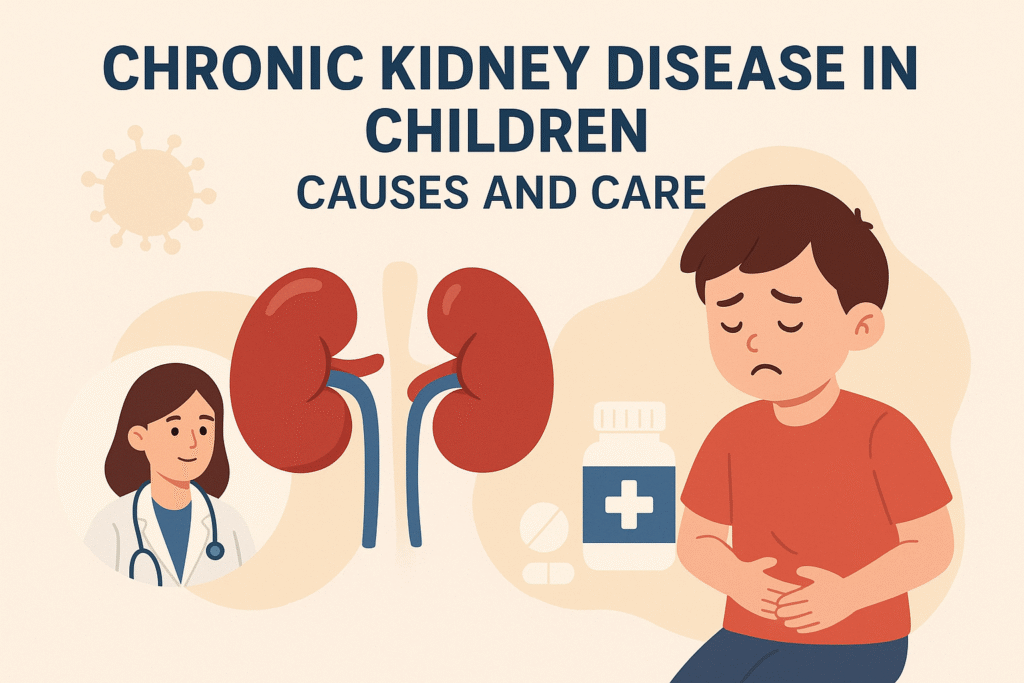
Chronic Kidney Disease (CKD) in children is a long-term condition where the kidneys gradually lose their ability to filter waste and maintain the body’s fluid and electrolyte balance. While many people associate kidney disease with adults, children too can develop CKD due to genetic, developmental, or acquired conditions. Early diagnosis and proper care play a crucial role in slowing disease progression, supporting healthy growth, and improving the quality of life for the child. In this blog, we will explore the causes, symptoms, diagnosis, and care required for managing pediatric CKD, along with the importance of consulting a Pediatric Nephrologist for expert guidance.
What is Chronic Kidney Disease in Children?
CKD in children develops when the kidneys are damaged over months or years. As the disease progresses, the kidneys struggle to filter blood effectively, leading to the buildup of toxins, fluid imbalance, and potential growth delays. Without timely intervention, CKD can advance to kidney failure, requiring dialysis or a kidney transplant. Hence, early identification and treatment are essential for better outcomes.
For parents seeking specialized care, consulting an experienced Chronic Kidney Disease Pediatric specialist ensures accurate evaluation and tailored management plans for children at different stages of CKD.
Major Causes of Chronic Kidney Disease in Children
CKD in children can occur at any age — from infancy to adolescence. The causes vary based on age and genetic predisposition. Some of the most common causes include:
1. Congenital & Developmental Abnormalities
Structural abnormalities of the kidneys or urinary tract that form before birth are the leading cause of CKD in young children. These include:
- Hydronephrosis
- Posterior urethral valves
- Reflux nephropathy (VUR)
These conditions cause long-term pressure or damage to kidney tissues, impairing function over time.
2. Genetic or Hereditary Disorders
Certain inherited conditions affect kidney structure or function, such as:
- Polycystic Kidney Disease (PKD)
- Alport Syndrome
- Nephronophthisis
These require early diagnosis to prevent kidney deterioration and ensure long-term monitoring.
3. Glomerular Diseases
Glomeruli are tiny filters inside the kidneys. Infections or immune system disorders can damage them, leading to protein or blood leakage in urine. Common glomerular diseases include:
- Nephrotic Syndrome
- IgA Nephropathy
- Glomerulonephritis
If not treated promptly, they can result in chronic kidney damage.
4. Recurrent Urinary Tract Infections (UTIs)
Untreated or frequent UTIs can scar kidney tissues, particularly in children with reflux issues, raising the risk of CKD.
5. Systemic Conditions
Chronic illnesses can affect kidney health over time:
- Diabetes (though less common in pediatric cases)
- Lupus
- Metabolic or autoimmune disorders
Symptoms Parents Should Not Ignore
Early CKD may not show obvious signs, making regular check-ups crucial. As kidney function declines, common symptoms include:
- Slow or stunted growth
- Frequent urination or bedwetting beyond expected age
- Swelling in hands, feet, or around the eyes
- Persistent fatigue, irritability, or poor concentration
- Nausea, vomiting, or poor appetite
- High blood pressure
- Protein or blood in urine
- Pale skin due to anemia
If your child experiences any of these signs, consult a Pediatric Nephrologist for timely evaluation.
Diagnosis of CKD in Children
A pediatric kidney specialist may recommend the following tests for accurate diagnosis:
- Blood tests to check kidney function (Creatinine, Urea, GFR)
- Urine tests to detect protein, blood, or infections
- Ultrasound or imaging to study kidney size and structure
- Blood pressure monitoring
- Genetic testing for hereditary kidney conditions
Care and Management of Pediatric CKD
CKD cannot be reversed, but proper management slows its progression and helps children lead healthier lives. Care plans may include:
✅ Medications
To control blood pressure, reduce swelling, manage protein leakage, or treat anemia.
🍽️ Child-Friendly Kidney Diet
A nutrition plan focused on the right balance of protein, sodium, potassium, and fluids supports growth and kidney health.
🧒 Growth and Development Monitoring
Regular assessments ensure that the child meets developmental milestones. Hormone therapy may be advised in some cases.
💧 Preventing Infections & Complications
Good hygiene, vaccination, and timely treatment of infections safeguard kidney function.
🩺 Dialysis or Kidney Transplant (Advanced CKD)
For end-stage kidney disease, dialysis or a transplant may be required. Pediatric nephrologists guide families through the process.
Why Early Specialist Consultation Matters
Pediatric CKD requires long-term, holistic management tailored to the child’s age, growth needs, and emotional well-being. Choosing the right specialist ensures expert monitoring, timely treatment, and lifestyle guidance.
If you notice symptoms or have a family history of kidney disease, seek a trusted Dr. Punit Chhajed, Chronic Kidney Disease Pediatric expert to ensure comprehensive care.
Final Thoughts
Chronic Kidney Disease in children can be challenging, but with early detection, personalized treatment, and continued support, children can live active and fulfilling lives. Empowering parents with the right knowledge and timely access to a Pediatric Nephrologist is the key to safeguarding children’s kidney health and overall well-being.
 Select an element to maximize. Press ESC to cancel.