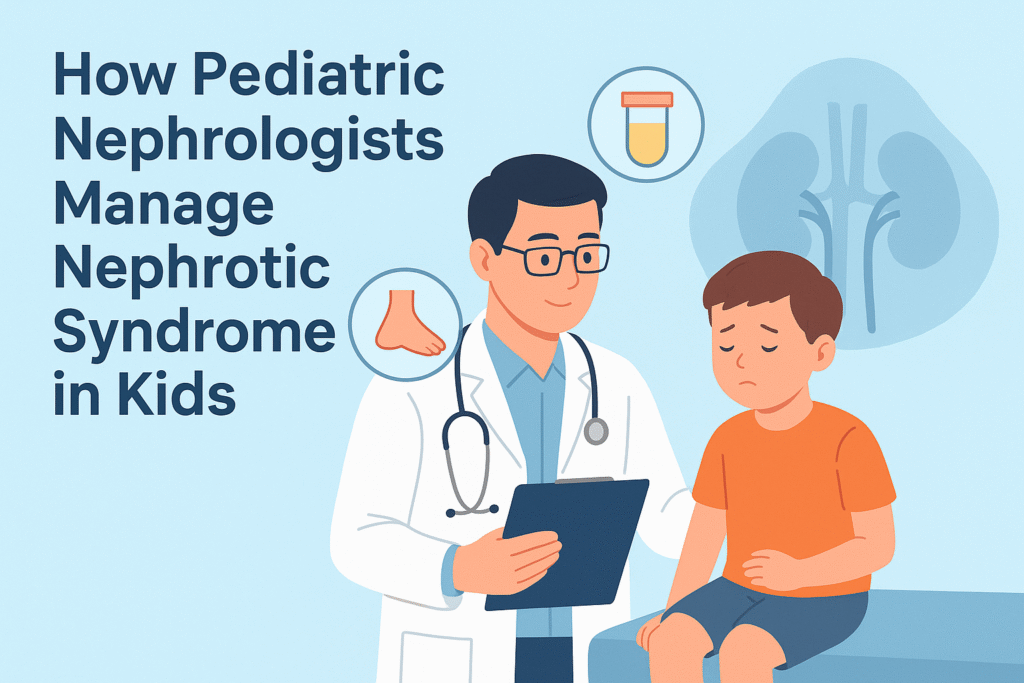
Nephrotic syndrome is a kidney disorder that commonly affects children, leading to excessive protein loss in urine. It can cause swelling, fatigue, and other health complications if not properly managed. For parents, understanding this condition and seeking care from a qualified Pediatric Nephrologist is crucial to ensure their child receives the right treatment and care.
In this blog, we’ll explore what nephrotic syndrome is, its causes, symptoms, and how pediatric nephrologists like Dr. Punit Chhajed help manage the condition effectively to restore kidney health and improve a child’s quality of life.
What is Nephrotic Syndrome?
Nephrotic syndrome is a condition where the kidneys leak large amounts of protein (mainly albumin) into the urine. Normally, kidneys act as filters, keeping essential proteins in the blood and removing waste through urine. However, when the kidney filters (called glomeruli) become damaged, they allow protein to escape into the urine, leading to a series of symptoms like swelling and fatigue.
It is more commonly seen in children between the ages of 2 and 8 years. Though it can sound alarming, with timely Nephrotic Syndrome Treatment, most children respond well and live healthy, active lives.
Common Causes of Nephrotic Syndrome in Children
Nephrotic syndrome can occur due to various underlying causes. In children, it is often classified into two main types:
- Primary Nephrotic Syndrome (Idiopathic):
This is the most common type seen in children and occurs when the kidneys are affected directly, without any other disease in the body. The most frequent cause is Minimal Change Disease (MCD), where kidney damage is too subtle to detect under a regular microscope. - Secondary Nephrotic Syndrome:
This occurs when the kidney damage is a result of another condition such as lupus, infections, diabetes, or certain medications.
Key Symptoms Parents Should Watch Out For
Early recognition of symptoms helps ensure timely diagnosis and treatment. The most common signs of nephrotic syndrome in children include:
- Swelling around the eyes, face, feet, or ankles (edema)
- Frothy or foamy urine (due to protein loss)
- Sudden weight gain due to fluid retention
- Fatigue and loss of appetite
- Decreased urine output
If your child shows these symptoms, it is important to consult a Pediatric Nephrologist immediately for further evaluation.
Diagnosis: How Pediatric Nephrologists Identify Nephrotic Syndrome
A pediatric nephrologist begins with a detailed history and physical examination. The following tests are typically performed to confirm the diagnosis:
- Urine Test: To check for protein levels and other abnormalities.
- Blood Test: To measure protein, cholesterol, and kidney function.
- Kidney Ultrasound: To visualize the kidneys and detect any structural issues.
- Kidney Biopsy (in selected cases): To determine the exact type of nephrotic syndrome and guide treatment decisions.
These investigations help determine the cause and severity of the disease, allowing the nephrologist to design a personalized Nephrotic Syndrome Treatment plan.
Management and Treatment of Nephrotic Syndrome in Kids
Treatment primarily aims to stop protein loss, reduce swelling, and prevent relapses. The approach varies based on the child’s response and underlying cause.
1. Corticosteroid Therapy
Most children with nephrotic syndrome respond well to steroid medications such as prednisolone. These drugs help reduce kidney inflammation and protein leakage. The treatment duration is carefully monitored and gradually tapered to minimize side effects.
2. Diuretics and Fluid Management
To manage swelling and fluid overload, mild diuretics are prescribed. Parents are also guided on maintaining proper fluid and salt balance in their child’s diet.
3. Immunosuppressive Drugs
If steroids alone are not effective or if the child experiences frequent relapses, other medications like cyclophosphamide, cyclosporine, or tacrolimus may be used. These drugs help control the immune system’s activity to protect the kidneys.
4. Diet and Nutrition Support
A well-balanced diet plays an essential role in recovery. Pediatric nephrologists often recommend:
- Moderate salt restriction to reduce swelling
- Adequate protein intake to maintain nutrition
- Avoiding junk food and high-fat diets to control cholesterol levels
Dietary plans are personalized according to the child’s health status and treatment response.
5. Preventing and Managing Infections
Children with nephrotic syndrome are more prone to infections due to protein loss and medication side effects. Pediatric nephrologists focus on preventive care, including timely vaccinations, hygiene measures, and early treatment of infections.
6. Regular Monitoring and Follow-ups
Even after the child’s symptoms improve, regular check-ups are essential to monitor kidney function and detect early signs of relapse. Parents are taught how to check for urine protein at home using dipsticks, making long-term care more manageable.
Emotional Support and Family Involvement
Managing a chronic condition like nephrotic syndrome can be emotionally challenging for both the child and family. Pediatric nephrologists not only focus on medical treatment but also provide counseling and emotional support to parents, helping them understand the disease and cope with the journey confidently.
Building a strong doctor-parent partnership ensures consistent care and better outcomes.
Long-Term Outlook for Children with Nephrotic Syndrome
With timely diagnosis, proper medication, and continuous monitoring, most children recover fully and lead normal lives. Some may experience relapses, especially during infections or stress, but these can be managed effectively with prompt medical attention.
The key is early intervention under the guidance of an experienced Pediatric Nephrologist who can provide comprehensive and child-friendly care throughout the treatment journey.
Conclusion
Nephrotic syndrome may sound overwhelming, but with the right medical support, children can recover and thrive. Timely diagnosis, consistent monitoring, and a personalized nephrotic syndrome treatment plan make all the difference.
If your child shows signs of swelling, frothy urine, or fatigue, don’t delay — consult Dr. Punit Chhajed, an experienced Pediatric Nephrologist, who specializes in kidney care for children. His compassionate approach and expertise ensure your child receives the best possible treatment for a healthy and happy future.
 Select an element to maximize. Press ESC to cancel.