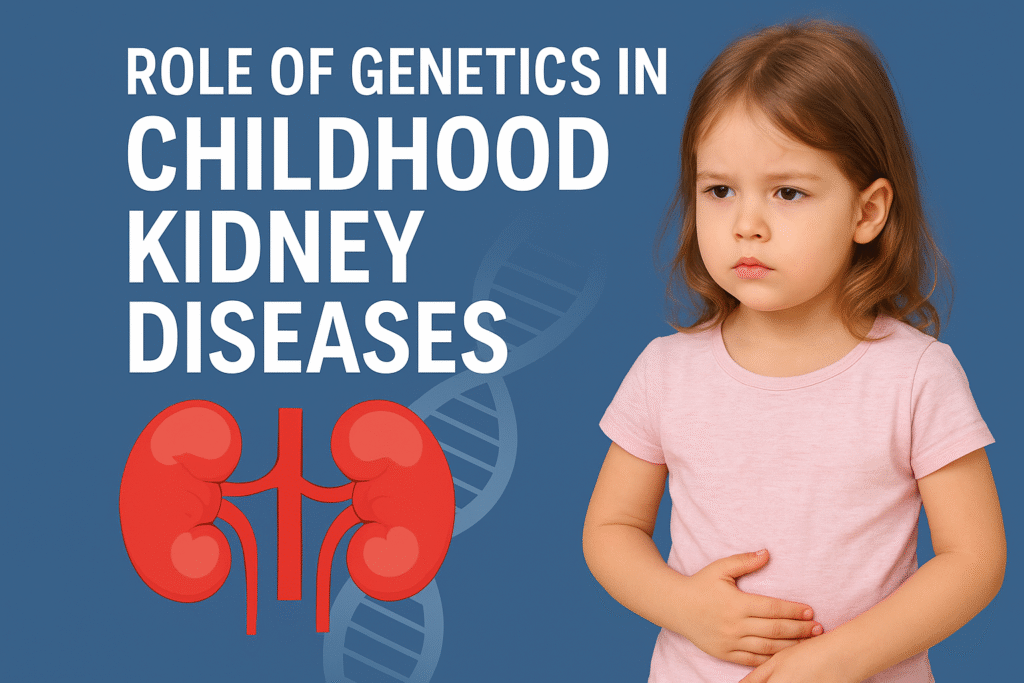
Kidney diseases in children can be worrying for any parent, especially when the cause is not immediately clear. While infections, lifestyle factors, and developmental abnormalities can lead to kidney problems, genetics also plays a crucial role in many childhood kidney conditions. Understanding the genetic link can help parents take early action, ensure timely diagnosis, and provide supportive care that helps protect a child’s long-term kidney health.
As a trusted Child Kidney Specialist, Dr. Punit Chhajed emphasizes the importance of early evaluation when symptoms or family history hint toward genetic kidney disorders. Here’s a complete, parent-friendly guide to understanding how genes influence kidney diseases in children.
What Does Genetics Have to Do With Kidney Diseases?
Genes are the body’s instruction manual. They determine how our organs develop, function, and repair themselves. When a gene responsible for kidney structure or function has an error (mutation), it can lead to various kidney disorders in children.
Some genetic kidney diseases appear at birth, while others show symptoms gradually as the child grows. In many cases, early detection helps in preventing complications such as kidney failure, high blood pressure, or growth issues.
Common Genetic Kidney Diseases in Children
1. Polycystic Kidney Disease (PKD)
PKD is one of the most recognized genetic kidney conditions. It causes multiple fluid-filled cysts to develop in the kidneys, making them larger and less functional.
- Autosomal recessive PKD (ARPKD) affects children and infants.
- Autosomal dominant PKD (ADPKD) usually shows symptoms in adulthood but can affect children too.
Early diagnosis allows monitoring, blood pressure control, and timely management to protect kidney function.
2. Alport Syndrome
Alport syndrome affects the kidneys, hearing, and sometimes vision. It happens due to mutations in genes responsible for collagen — a protein essential for kidney filters.
Children may develop blood in urine, protein leak, or progressive loss of kidney function. A Pediatric Nephrologist plays a key role in tracking kidney health and slowing disease progression.
3. Congenital Anomalies of the Kidney and Urinary Tract (CAKUT)
CAKUT includes structural problems like:
- Kidney not fully developed
- Blockages in the urinary tract
- A kidney located in the wrong position
Though not always genetic, many CAKUT cases have a strong hereditary link.
4. Nephrotic Syndrome (Genetic Forms)
Some children develop steroid-resistant nephrotic syndrome due to mutations that affect the kidney’s filtering units (podocytes). Genetic testing helps determine the correct treatment pathway and avoid unnecessary medication trials.
5. Cystinosis
A rare inherited disorder where cystine crystals build up in the kidneys and other organs. It requires lifelong treatment but early diagnosis ensures better growth and quality of life.
Signs That Kidney Disease May Be Genetic
Parents should seek an evaluation from a Child Kidney Specialist if their child shows any of the following patterns:
- A family history of kidney disease
- Recurrent urinary infections
- Persistent swelling in face, eyes, or legs
- Blood or protein in urine
- Growth delays or poor appetite
- High blood pressure in a young child
Genetic kidney diseases are often silent in the early stages, which makes expert screening essential.
How Genetic Testing Helps
Today, genetic testing is one of the most important tools in diagnosing childhood kidney diseases. It provides answers such as:
- What type of kidney disease is present
- Whether it is likely to worsen
- If siblings or future children are at risk
- What the best treatment plan is
With precise diagnosis, doctors like Dr. Punit Chhajed can create a personalized treatment plan that targets the child’s exact condition.
Treatment Options for Genetic Kidney Diseases
While genetic conditions cannot be “cured,” they can be managed effectively to ensure children live healthy, active lives. Treatment depends on the condition’s severity and may include:
1. Medication
To control symptoms like high blood pressure, protein loss, swelling, and infections.
2. Lifestyle and Dietary Guidance
A balanced diet, low sodium intake, and adequate hydration can significantly support kidney health.
3. Regular Monitoring
Frequent check-ups help track kidney function and catch complications early.
4. Advanced Therapies
Some conditions may require:
- Dialysis
- Kidney transplant
- Disease-specific treatments like cysteamine for cystinosis
Early care from a qualified Pediatric Nephrologist can delay disease progression and improve long-term outcomes.
Can Parents Prevent Genetic Kidney Diseases?
While hereditary conditions cannot be prevented, parents can take steps to protect their child’s health:
- Share complete family medical history with your doctor
- Get genetic counseling if kidney disease runs in the family
- Ensure regular childhood check-ups
- Watch for early symptoms like swelling or unusual urine changes
Timely evaluation makes an enormous difference in a child’s kidney health journey.
Final Thoughts
Genetic kidney diseases may sound overwhelming, but with advanced diagnosis, expert care, and early intervention, children can lead healthy and fulfilling lives. Dr. Punit Chhajed, an experienced Child Kidney Specialist, guides families through every step — from diagnosis and treatment to long-term care.
Understanding genetics is the first step toward ensuring a healthier future for your child.
 Select an element to maximize. Press ESC to cancel.