High blood pressure, once considered an adult-only health issue, is increasingly being diagnosed in children and adolescents. With rising screen time, sedentary lifestyles, unhealthy eating habits, and academic stress, children today are more vulnerable to early heart and kidney-related problems. The good news? Regular physical activity plays a powerful role in preventing high blood pressure in kids and protecting their heart health from an early age.
Understanding how exercise supports cardiovascular health can help parents take proactive steps to ensure their child grows up healthy and strong.
Understanding High Blood Pressure in Children
Blood pressure measures how hard the heart has to work to pump blood through the body. In children, high blood pressure (also called pediatric hypertension) often goes unnoticed because it rarely shows obvious symptoms. However, if left unmanaged, it can quietly damage the heart, kidneys, and blood vessels over time.
Risk factors for high blood pressure in kids include obesity, lack of physical activity, excessive salt intake, family history, kidney problems, and stress. This is why early prevention is crucial—and exercise is one of the most effective tools available.
How Exercise Protects Heart Health in Kids
Regular physical activity strengthens the heart muscle, improves blood circulation, and helps maintain healthy blood vessels. When children exercise, their hearts pump blood more efficiently, reducing pressure on artery walls. Over time, this leads to better blood pressure control and overall cardiovascular fitness.
Exercise also helps regulate body weight, reduce stress hormones, improve insulin sensitivity, and promote better sleep—all factors that influence blood pressure levels in growing children.
Recommended Exercise for Children
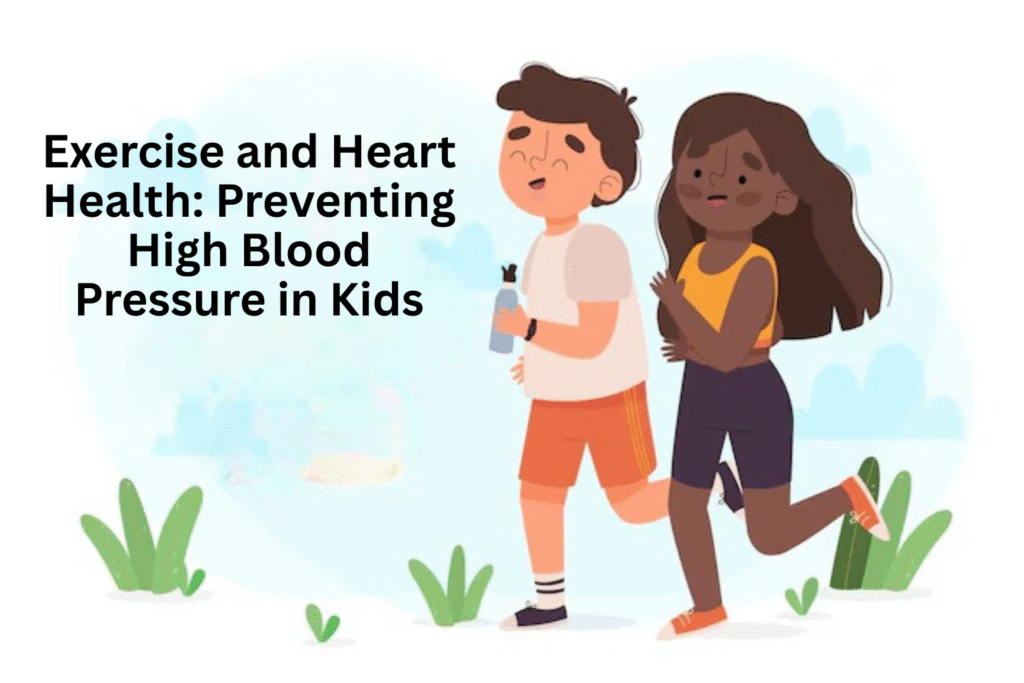
Children don’t need intense gym workouts to stay healthy. What matters most is consistency and enjoyment. Experts recommend that children engage in at least 60 minutes of moderate to vigorous physical activity every day.
Healthy exercise options include:
- Outdoor play like running, cycling, or skipping
- Sports such as football, cricket, swimming, or badminton
- Dancing, yoga, or martial arts
- Family activities like walking, hiking, or playing together
These activities not only support heart health but also build confidence, coordination, and emotional well-being.
The Role of Exercise in Preventing Childhood Obesity
Obesity is one of the strongest contributors to high blood pressure in kids. Excess body fat forces the heart to work harder and can affect hormone balance and blood vessel function. Regular exercise helps burn excess calories, build muscle, and maintain a healthy body mass index (BMI).
When exercise is combined with balanced nutrition, it significantly lowers the risk of developing high blood pressure and related complications later in life.
Reducing Stress and Screen Time Through Physical Activity
Academic pressure, competitive environments, and excessive screen time can elevate stress levels in children, which in turn may raise blood pressure. Physical activity acts as a natural stress reliever by releasing endorphins—the body’s “feel-good” hormones.
Encouraging children to take regular movement breaks, play outdoors, or participate in sports helps reduce mental stress, improves mood, and supports healthy blood pressure regulation.
Heart Health, Kidneys, and Blood Pressure: The Hidden Connection
Many parents are unaware that blood pressure and kidney health are closely linked, even in children. The kidneys help regulate blood pressure by balancing fluids and salts in the body. When blood pressure is high, it can strain the kidneys, and kidney problems can also cause elevated blood pressure.
This is where consulting a Pediatric Nephrologist becomes important, especially if a child has persistent high blood pressure, a family history of kidney disease, or abnormal test results. Early evaluation ensures timely intervention and prevents long-term complications.
Building Healthy Exercise Habits Early
The key to preventing high blood pressure in kids is not short-term activity but lifelong healthy habits. Parents play a vital role in setting an example. Children are more likely to stay active when they see their parents prioritizing movement and health.
Simple steps include:
- Limiting screen time and encouraging outdoor play
- Enrolling children in sports or activity classes they enjoy
- Making exercise a family routine rather than a chore
- Praising effort and consistency, not performance
When children associate exercise with fun rather than pressure, they are more likely to stay active as they grow older.
When Should Parents Be Concerned?
Regular health check-ups are essential for early detection of blood pressure issues. If a child is overweight, inactive, frequently tired, or has a family history of hypertension or kidney disease, monitoring blood pressure becomes even more important.
In such cases, guidance from a Pediatric Nephrologist, Dr Punit chhajed can help assess risk factors, recommend lifestyle changes, and create a personalized plan to protect both heart and kidney health.
Conclusion
Exercise is one of the simplest yet most powerful ways to protect children from high blood pressure and future heart disease. By encouraging daily physical activity, reducing sedentary habits, and fostering a healthy lifestyle, parents can safeguard their child’s heart and overall well-being.
Starting early makes all the difference. Healthy movement today builds a stronger heart, balanced blood pressure, and a healthier future for every child.
Dr. Punit Chhajed is a trusted Pediatric Nephrologist in Pune, specializing in early detection and prevention of blood pressure and kidney-related disorders in children.
 Select an element to maximize. Press ESC to cancel.