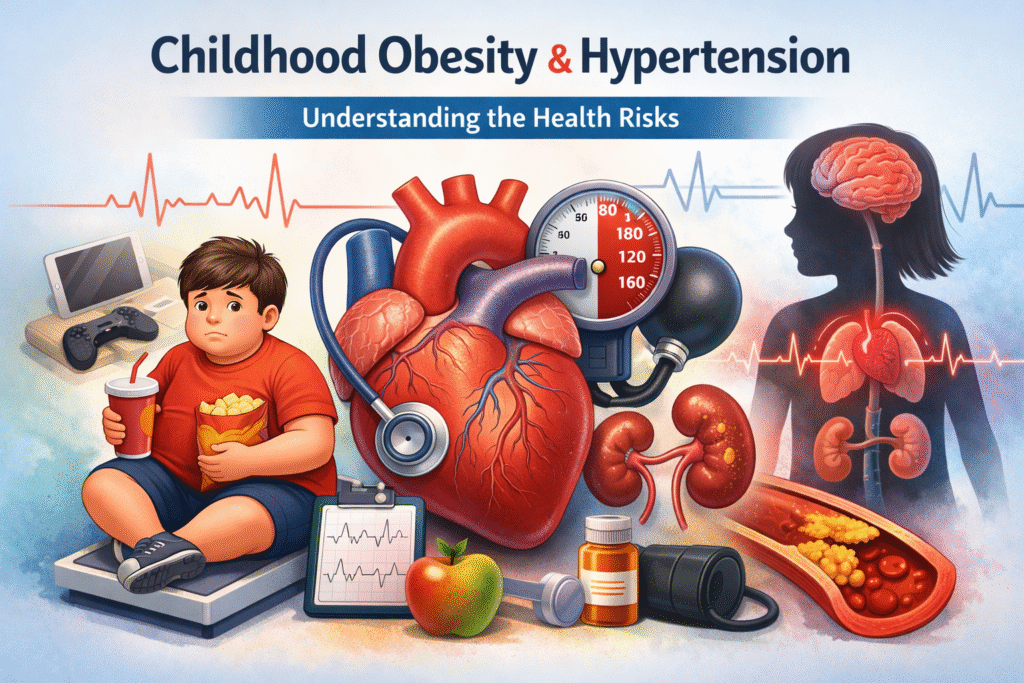
Childhood obesity has emerged as a serious health concern worldwide, and India is no exception. With changing lifestyles, increased screen time, and unhealthy eating habits, more children are being diagnosed with weight-related health problems at an early age. One of the most concerning consequences of childhood obesity is hypertension, also known as high blood pressure. Understanding this link is essential for early prevention and long-term kidney and heart health.
Understanding Childhood Obesity
Childhood obesity occurs when a child’s weight is significantly higher than what is considered healthy for their age and height. Excess calorie intake, lack of physical activity, and genetic factors all play a role. Over time, excess body fat affects how the heart, blood vessels, and kidneys function, increasing the risk of chronic diseases that were once seen mainly in adults.
How Obesity Leads to Hypertension in Children
Obesity places extra strain on the body, including the cardiovascular and renal systems. Excess fat tissue causes the body to produce inflammatory substances and hormones that disturb normal blood pressure regulation. As body weight increases, the heart has to work harder to pump blood, leading to increased pressure in the arteries.
Additionally, obesity can affect kidney function by altering sodium balance and fluid regulation. This directly contributes to rising blood pressure levels. Many overweight children also develop insulin resistance, which further increases the risk of hypertension. These changes often occur silently, making regular screening extremely important.
Why Hypertension in Children Is a Serious Concern
Hypertension in children is not just a short-term issue. If left untreated, it can persist into adulthood and significantly increase the risk of heart disease, stroke, and chronic kidney disease later in life. High blood pressure can damage blood vessels and kidneys over time, even when symptoms are not obvious.
This is why early diagnosis and specialized care from Dr. Punit Chhajed, Pediatric Nephrologist is crucial. Pediatric nephrologists are trained to identify blood pressure-related kidney issues in children and provide age-appropriate, long-term treatment plans.
Signs Parents Should Not Ignore
Hypertension in children often has no obvious symptoms, but some warning signs may include:
- Frequent headaches
- Fatigue or weakness
- Shortness of breath
- Difficulty concentrating
- Poor growth or recurrent urinary issues
Children who are overweight or obese should undergo regular blood pressure checks, even if they appear healthy.
Prevention and Lifestyle Changes
Preventing childhood obesity is the first step in reducing the risk of hypertension. Healthy lifestyle habits should start early and involve the entire family. Key preventive measures include:
- Encouraging a balanced diet rich in fruits, vegetables, and whole grains
- Reducing intake of processed foods, sugary drinks, and excess salt
- Promoting daily physical activity and limiting screen time
- Ensuring adequate sleep and stress management
Small, consistent changes can make a big difference in maintaining healthy blood pressure levels.
Importance of Early Treatment
When hypertension is diagnosed, timely medical intervention is essential. Hypertension Children Treatment focuses on identifying the root cause, monitoring kidney function, and creating a personalized treatment plan. Treatment may include lifestyle modification, dietary guidance, and in some cases, medication under expert supervision.
Early management not only helps control blood pressure but also protects the kidneys and prevents long-term complications.
Conclusion
The link between childhood obesity and hypertension is clear and concerning. With rising obesity rates among children, early screening, awareness, and expert care are more important than ever. Parents play a vital role in promoting healthy habits and seeking timely medical advice.
Consulting a qualified specialist ensures accurate diagnosis and effective treatment, helping children lead healthier lives today and in the future.
 Select an element to maximize. Press ESC to cancel.