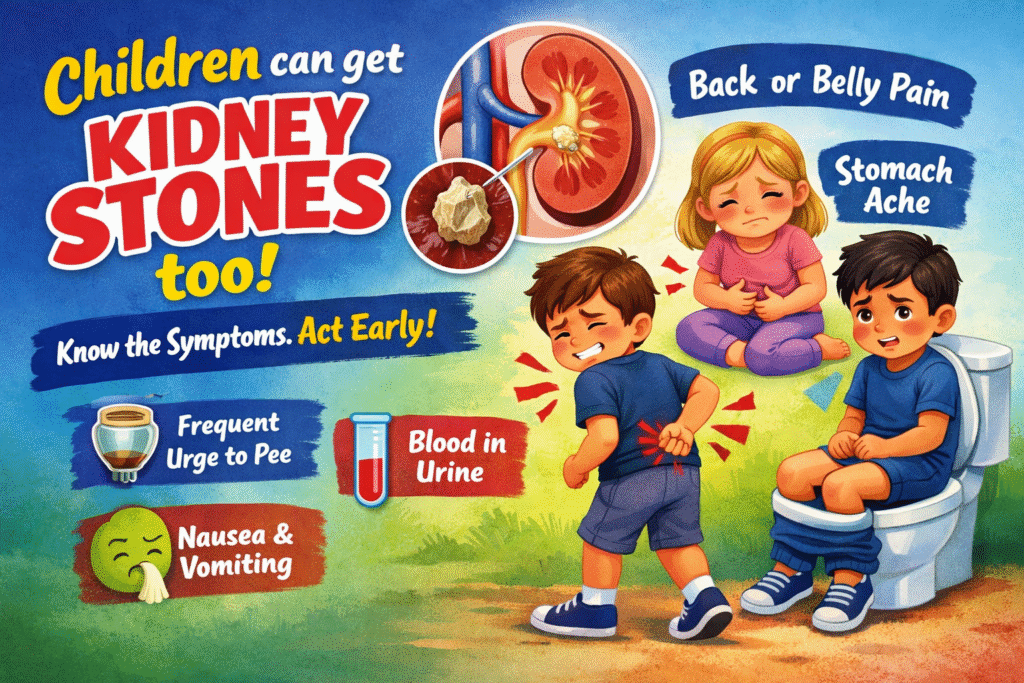
Kidney stones are often considered an adult health issue, but an increasing number of children are now being diagnosed with this painful condition. Changes in diet, inadequate water intake, sedentary lifestyles, and genetic factors have contributed to the rising cases of Kidney Stones in Children. Unfortunately, kidney stones in kids are frequently overlooked because symptoms can be subtle or mistaken for common childhood illnesses. Early awareness and timely medical intervention are crucial to prevent complications and ensure long-term kidney health.
What Are Kidney Stones?
Kidney stones are hard mineral deposits that form in the kidneys when urine becomes concentrated. These stones may be made of calcium, uric acid, cystine, or oxalate. When they grow large or move through the urinary tract, they can cause severe pain, urinary problems, and infections.
In children, kidney stones may develop due to dehydration, excessive salt intake, obesity, metabolic disorders, or a family history of stone disease. Consulting a Pediatric Kidney Specialist is essential for accurate diagnosis and child-friendly treatment.
Why Are Kidney Stones Increasing in Children?
Several lifestyle and environmental factors are responsible for the rising incidence of kidney stones in children:
- Low water intake, especially during hot weather
- High consumption of salty, processed, and fast foods
- Increased intake of sugary drinks and carbonated beverages
- Reduced physical activity and screen-heavy routines
- Genetic predisposition or metabolic abnormalities
When children do not drink enough water, minerals in the urine can crystallize and form stones. Early lifestyle correction can significantly reduce the risk.
Common Symptoms of Kidney Stones in Children
Recognizing the symptoms early can help prevent severe pain and complications. Unlike adults, children may not always describe their discomfort clearly. Parents should watch for the following signs:
1. Abdominal or Back Pain
Pain may occur in the lower abdomen, side, or back and can come and go. Younger children may cry or show irritability instead of describing pain.
2. Pain While Urinating
Children may complain of a burning sensation during urination or may avoid using the toilet due to discomfort.
3. Blood in Urine
Pink, red, or brown-colored urine is a warning sign that should never be ignored.
4. Frequent Urination
An increased urge to urinate, passing small amounts of urine, or bedwetting in toilet-trained children can indicate urinary irritation.
5. Nausea and Vomiting
Kidney stones can cause stomach upset, often leading to vomiting or loss of appetite.
6. Fever and Chills
If kidney stones lead to infection, children may develop fever, chills, or general weakness. This is a medical emergency requiring immediate care.
When Should Parents Seek Medical Help?
Any child experiencing persistent abdominal pain, blood in urine, or urinary discomfort should be evaluated promptly. Delaying treatment may result in urinary tract infections, kidney damage, or recurrent stone formation. Early consultation with a Pediatric Kidney Specialist ensures timely diagnosis and a tailored treatment plan suitable for the child’s age and condition.
How Are Kidney Stones Diagnosed in Children?
Diagnosis typically involves:
- Urine tests to detect blood, infection, or mineral imbalance
- Blood tests to assess kidney function and metabolic causes
- Ultrasound imaging, which is safe and radiation-free for children
- CT scans in select cases when detailed imaging is required
Identifying the stone type helps doctors recommend preventive strategies and dietary changes.
Treatment Options for Kidney Stones in Children
Treatment depends on the size, location, and type of stone, as well as the child’s symptoms.
Conservative Treatment
Small stones often pass naturally with increased fluid intake and pain management. Children may be advised to drink more water and follow dietary changes.
Medications
Certain medications help relax urinary muscles, making it easier for stones to pass. Pain relief and infection control are also important.
Minimally Invasive Procedures
If stones are large or cause persistent pain, procedures like shock wave therapy or endoscopic stone removal may be recommended. These are safe and effective when performed by an experienced Pediatric Kidney Specialist.
Preventing Kidney Stones in Children
Prevention plays a key role in reducing recurrence. Parents can help by:
- Encouraging adequate water intake throughout the day
- Limiting salty snacks and processed foods
- Reducing sugary drinks and sodas
- Promoting a balanced diet rich in fruits and vegetables
- Encouraging physical activity
Regular follow-ups and monitoring are especially important for children with a history of kidney stones.
The Importance of Early Action
Ignoring early symptoms can lead to repeated stone formation and long-term kidney complications. Educating parents and caregivers about Kidney Stones in Children helps ensure faster diagnosis and better outcomes. With early treatment, most children recover fully and can lead normal, active lives.
Expert Care with Dr. Punit Chhajed
Dr. Punit Chhajed is a trusted Pediatric Kidney Specialist known for his compassionate approach and expertise in managing kidney stone disease in children. His focus on early diagnosis, minimally invasive treatment, and long-term prevention ensures the best possible care for young patients.
Final Thoughts
Kidney stones are no longer an adult-only problem. Awareness, early symptom recognition, and expert pediatric care can make all the difference. If your child shows any signs of urinary discomfort or unexplained abdominal pain, don’t wait—early action protects your child’s kidney health for life.
 Select an element to maximize. Press ESC to cancel.