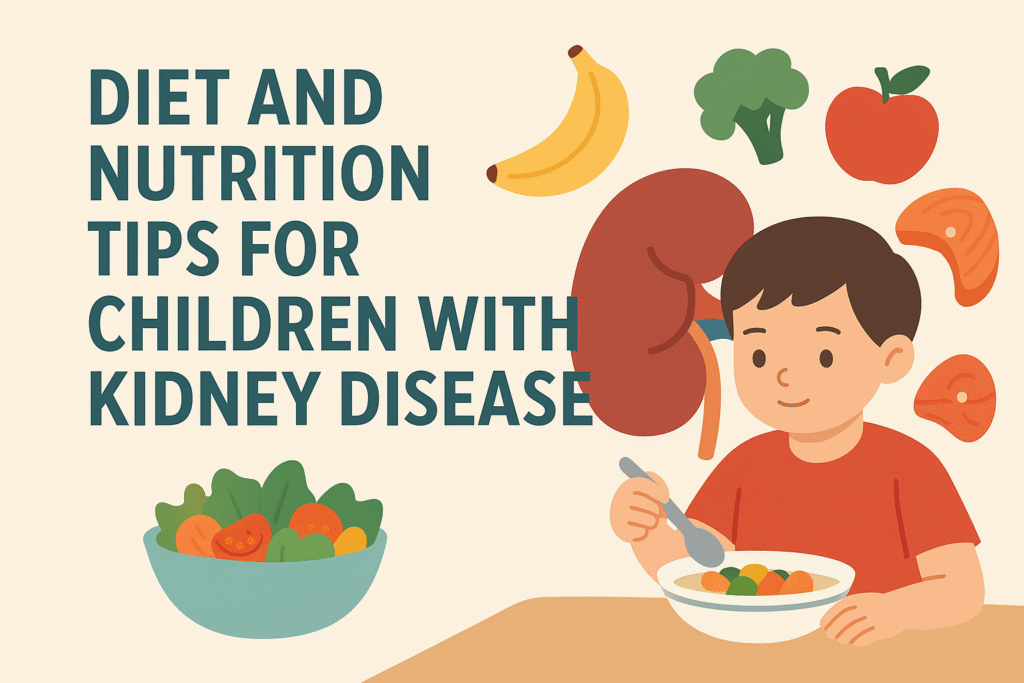
Children diagnosed with kidney disease require special attention when it comes to diet and nutrition. Their growing bodies need a delicate balance of nutrients while managing the workload on their kidneys. Proper diet planning not only supports growth and development but also helps control symptoms and slows down disease progression. As advised by a Pediatric Nephrologist, dietary management plays a vital role in improving the quality of life for young patients with kidney conditions.
The Importance of a Kidney-Friendly Diet
The kidneys are responsible for filtering waste, balancing fluids, and maintaining essential minerals in the blood. When they don’t function properly, toxins and excess minerals can build up in the body. A well-planned diet designed by a Pediatric Kidney Specialist helps reduce the kidneys’ workload, prevents further damage, and ensures children receive adequate nutrition for healthy growth.
1. Managing Protein Intake
Protein is essential for growth and repair, but children with kidney disease may need to control how much protein they consume. Too much protein can generate more waste for the kidneys to filter. Depending on the stage of kidney disease, the doctor may recommend moderate protein from high-quality sources such as eggs, fish, lean poultry, and dairy. It’s important to work with a pediatric dietitian to determine the exact protein requirement for your child’s condition.
2. Controlling Sodium (Salt) Levels
Excess sodium can lead to high blood pressure and fluid retention, both of which strain the kidneys. Parents should limit processed foods like chips, packaged snacks, and instant noodles that are high in salt. Instead, focus on home-cooked meals seasoned with herbs and natural spices. Always check food labels and choose low-sodium or salt-free products. Encouraging healthy eating habits from a young age helps protect the kidneys and overall health.
3. Monitoring Potassium and Phosphorus
Children with kidney disease often need to manage their potassium and phosphorus intake. Elevated potassium levels can affect heart function, while high phosphorus can weaken bones over time. Foods rich in potassium such as bananas, oranges, tomatoes, and potatoes may need to be limited. Similarly, phosphorus-heavy foods like nuts, dairy, and colas should be controlled. A Pediatric Nephrologist can guide parents on safe food swaps, such as replacing bananas with apples or using non-dairy milk alternatives when needed.
4. Staying Hydrated the Right Way
Hydration needs vary depending on the type and severity of kidney disease. Some children may need to limit fluid intake, while others require more water to flush toxins effectively. It’s important not to overhydrate or underhydrate without medical advice. Regular follow-ups with a Pediatric Kidney Specialist help maintain the right fluid balance.
5. Encouraging Balanced Nutrition
Children with kidney disease often face appetite loss or taste changes due to medication or toxin buildup. Parents should encourage smaller, frequent meals packed with nutrients. Including colorful fruits and vegetables (as permitted), whole grains, and healthy fats ensures children receive adequate calories and vitamins. Avoid skipping meals, and create a supportive eating environment to help your child feel comfortable during mealtime.
6. Maintaining a Healthy Weight
Both undernutrition and overweight can affect kidney health. Proper calorie intake helps children maintain a healthy weight, which supports overall development and immune function. A Pediatric Kidney Specialist may recommend customized meal plans that meet your child’s calorie requirements without overloading the kidneys. Regular monitoring of height and weight ensures the diet plan is effective and balanced.
7. The Role of Supplements and Vitamins
Some children with kidney disease may require supplements like iron, calcium, or vitamin D, especially if dietary restrictions limit certain nutrients. However, supplements should only be given under medical supervision. Unsupervised use of over-the-counter vitamins can be harmful to kidney function. Always consult your Pediatric Nephrologist Pune before adding any supplement to your child’s routine.
8. Avoiding Processed and Sugary Foods
Processed foods, sugary drinks, and fast food contain additives like phosphorus and sodium that worsen kidney damage. Replace these with fresh fruits, homemade snacks, and natural drinks like coconut water (if approved by the doctor). Building these habits early can prevent further kidney strain and support better long-term outcomes.
9. Parental Guidance and Regular Follow-Ups
Managing kidney disease in children requires teamwork between parents, healthcare professionals, and dietitians. Regular follow-ups help track kidney function, growth parameters, and dietary effectiveness. Parents should stay informed, ask questions, and keep communication open with the healthcare team.
Conclusion
A carefully planned diet is one of the most powerful tools in managing kidney disease in children. It not only protects kidney function but also supports normal growth and development. With guidance from an experienced Pediatric Nephrologist, parents can ensure their child receives the right nutrition tailored to their unique needs.
About Dr. Punit Chhajed:
Dr. Punit Chhajed is a renowned Pediatric Nephrologist, specializing in kidney diseases and related disorders in children. He offers expert diagnosis, compassionate care, and personalized treatment plans to help young patients lead healthy, active lives.
 Select an element to maximize. Press ESC to cancel.