High blood pressure, medically known as hypertension, is often considered an adult condition, but it can also affect children. Pediatric hypertension is increasingly recognized due to rising rates of childhood obesity, sedentary lifestyles, and underlying medical conditions. Early detection and management are crucial to prevent long-term complications such as heart disease, kidney problems, and stroke later in life. Dr Punit Chhajed emphasizes the importance of awareness among parents and caregivers to ensure timely diagnosis and treatment.
Causes of High Blood Pressure in Children
The causes of high blood pressure in children can be broadly classified into primary and secondary hypertension.
Primary hypertension, also called essential hypertension, occurs without a specific underlying condition. It is often associated with genetic factors, obesity, and lifestyle habits such as poor diet and lack of physical activity. Children with a family history of hypertension are at higher risk of developing high blood pressure.
Secondary hypertension, on the other hand, is caused by identifiable medical conditions. Common causes include kidney diseases, hormonal disorders, congenital heart defects, and certain medications. Children with underlying kidney issues are particularly susceptible, which highlights the importance of consulting a Pediatric Nephrologist Pune for proper evaluation and management.
Symptoms of High Blood Pressure in Children
Unlike adults, high blood pressure in children often does not present noticeable symptoms, making routine check-ups essential. When symptoms do appear, they may include headaches, dizziness, fatigue, blurred vision, or nosebleeds. In severe cases, children may experience chest pain, shortness of breath, or swelling in the hands and feet.
Since symptoms can be subtle or mistaken for other conditions, regular monitoring of blood pressure is critical, especially for children at risk due to obesity, family history, or chronic medical conditions. Early detection can significantly improve treatment outcomes and prevent future complications.
Diagnosis of Pediatric Hypertension
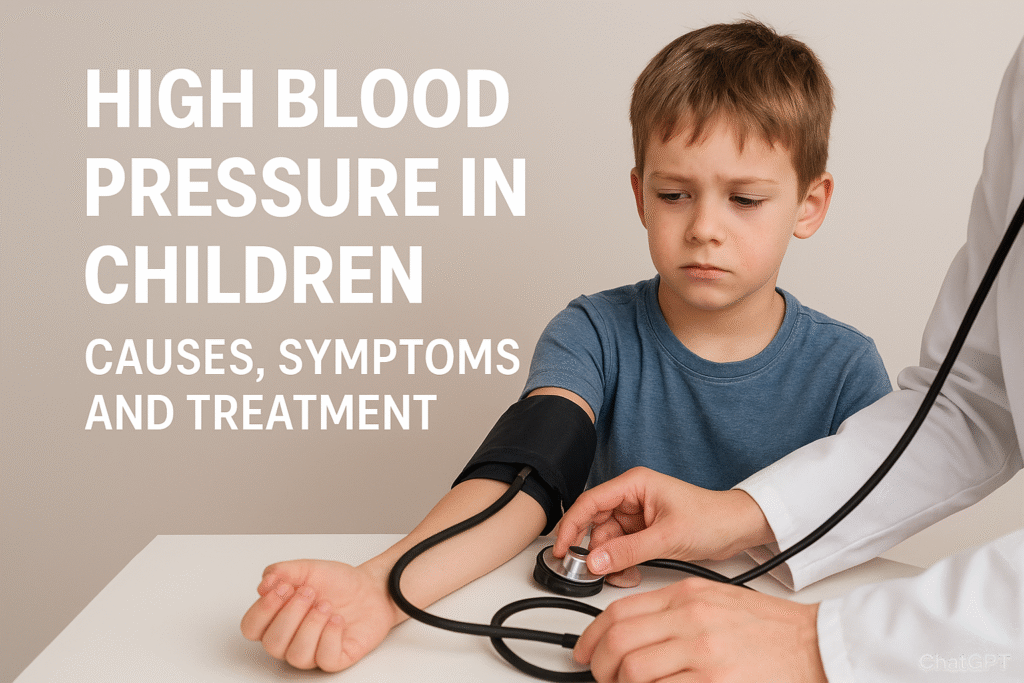
Diagnosing high blood pressure in children involves careful measurement and monitoring over time. Pediatricians use age, height, and gender-specific charts to interpret blood pressure readings accurately. In some cases, 24-hour ambulatory blood pressure monitoring may be recommended to obtain a more precise assessment.
Further tests, including blood and urine analysis, kidney imaging, and heart evaluations, may be conducted to identify underlying causes, particularly if secondary hypertension is suspected. Seeking advice from a specialized Pediatric Nephrologist ensures a comprehensive approach to diagnosis and ongoing management.
Treatment Options for High Blood Pressure in Children
The treatment of hypertension in children often begins with lifestyle modifications. Encouraging a balanced diet rich in fruits, vegetables, and whole grains, reducing salt intake, and promoting regular physical activity can have a significant impact on lowering blood pressure. Weight management and limiting screen time are also critical components of lifestyle intervention.
When lifestyle changes are insufficient, medication may be prescribed. Antihypertensive medications must be carefully selected and monitored to suit a child’s age, weight, and underlying health condition. Regular follow-up visits with a Pediatric Nephrologist ensure that treatment is effective and side effects are minimized.
Preventive Measures and Parental Guidance
Prevention plays a crucial role in managing hypertension in children. Parents should encourage healthy eating habits from an early age and ensure that children engage in at least 60 minutes of physical activity daily. Monitoring blood pressure during routine pediatric visits can help identify any concerns early.
Education about the importance of maintaining a healthy lifestyle, understanding risk factors, and recognizing early warning signs empowers parents to take proactive steps. Dr Punit Chhajed advises that parental involvement, coupled with professional guidance, forms the cornerstone of successful long-term management of pediatric hypertension.
Conclusion
High blood pressure in children is a growing health concern that requires timely attention. With proper diagnosis, lifestyle modifications, and medical intervention when necessary, children with hypertension can lead healthy lives. Consulting a Pediatric Nephrologist ensures a thorough assessment and personalized treatment plan tailored to the child’s needs.
Parents and caregivers must remain vigilant, focusing on preventive measures and early intervention to safeguard their child’s cardiovascular and overall health. Remember, recognizing the signs early and seeking expert care can make a significant difference in your child’s long-term well-being.
For parents concerned about their child’s blood pressure, Dr Punit Chhajed recommends scheduling an evaluation to discuss Hypertension Children Treatment and implement a comprehensive care plan.
 Select an element to maximize. Press ESC to cancel.