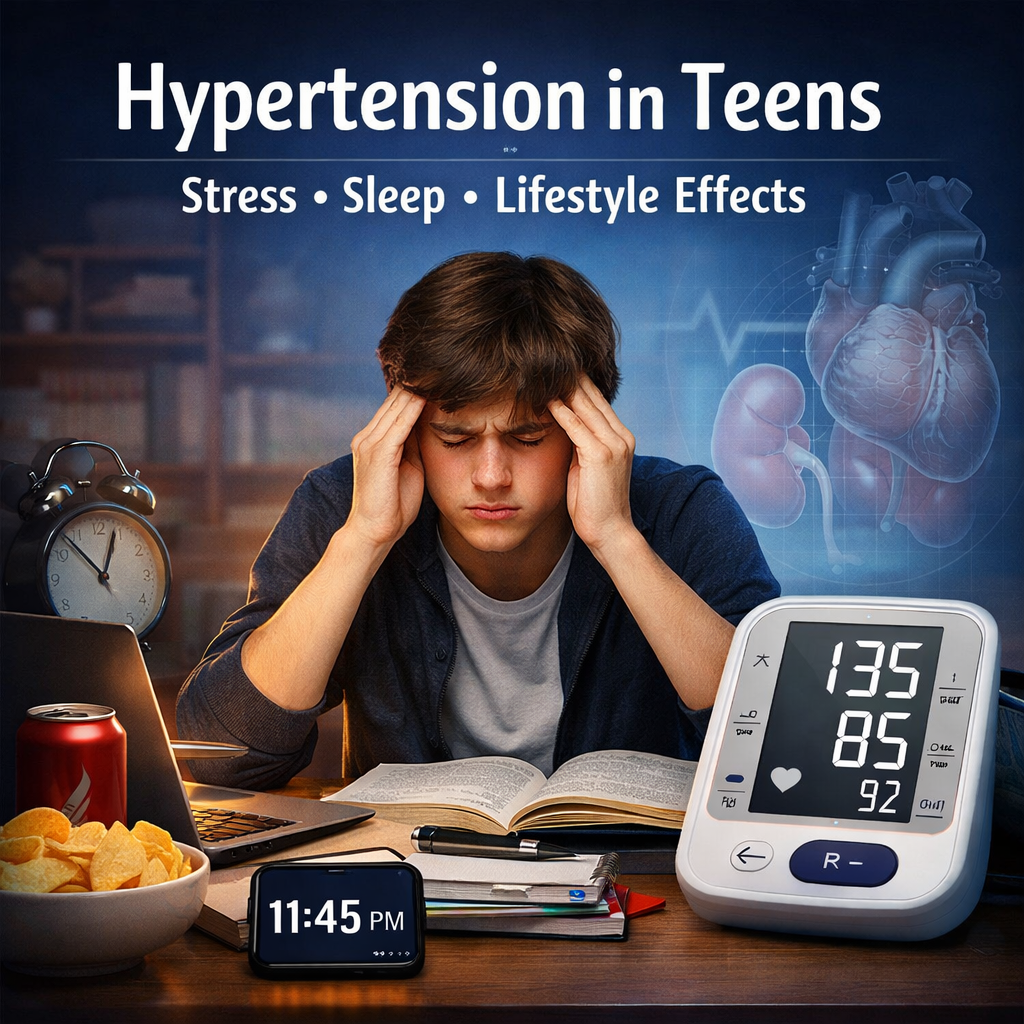
Hypertension, commonly known as high blood pressure, is no longer a condition seen only in adults. In recent years, doctors are observing a worrying rise in hypertension among teenagers. Changing lifestyles, academic stress, poor sleep habits, and unhealthy food choices are major contributors to this growing health concern.
Early detection and proper management are essential to prevent long-term kidney, heart, and vascular complications. With expert guidance from a Pediatric Nephrologist, hypertension in children and teens can be effectively diagnosed and treated.
Understanding Hypertension in Teenagers
Blood pressure measures the force of blood pushing against artery walls. When this pressure remains consistently high, it is termed hypertension. In teens, high blood pressure may go unnoticed because symptoms are often mild or absent. However, untreated hypertension can silently damage vital organs, especially the kidneys.
There are two types of hypertension in teens:
- Primary hypertension – Often linked to obesity, stress, and family history.
- Secondary hypertension – Caused by underlying medical conditions such as kidney disorders, hormonal imbalances, or congenital issues.
Consulting a Pediatric Nephrologist is important to determine whether high blood pressure is related to kidney function or other systemic causes.
The Role of Stress in Teen Hypertension
Today’s teenagers face intense academic competition, peer pressure, social media influence, and emotional challenges. Chronic stress triggers the release of hormones like cortisol and adrenaline, which temporarily raise blood pressure. When stress becomes constant, it can lead to sustained hypertension.
Common stress triggers include:
- Exam pressure and performance anxiety
- Social comparison through digital platforms
- Family conflicts
- Lack of recreational time
Encouraging open communication, mindfulness practices, physical activity, and structured routines can help teens manage stress effectively and protect their cardiovascular health.
How Sleep Affects Blood Pressure
Sleep is essential for hormonal balance and cardiovascular recovery. Unfortunately, many teens sleep late due to screen time, gaming, or studying, leading to chronic sleep deprivation.
Poor sleep can:
- Increase stress hormone levels
- Affect metabolism
- Promote weight gain
- Elevate blood pressure
Studies show that teenagers need 8–10 hours of quality sleep each night. Inadequate sleep disrupts the body’s natural blood pressure regulation, increasing the risk of hypertension.
Parents should encourage:
- Fixed sleep schedules
- Limiting screen exposure before bedtime
- A calm, dark sleeping environment
- Avoiding caffeine in the evening
Healthy sleep habits are a simple yet powerful tool in preventing high blood pressure.
Lifestyle Factors Contributing to Hypertension
Modern lifestyles significantly contribute to rising hypertension rates in teens.
1. Poor Diet Choices
Frequent consumption of processed foods, fast food, sugary beverages, and high-salt snacks increases sodium intake. Excess sodium causes fluid retention, raising blood pressure.
Encourage:
- Fresh fruits and vegetables
- Whole grains
- Home-cooked meals
- Reduced salt intake
2. Lack of Physical Activity
Sedentary habits such as prolonged screen time and reduced outdoor play decrease cardiovascular fitness. Regular exercise strengthens the heart and improves blood circulation.
Teens should aim for:
- At least 60 minutes of moderate physical activity daily
- Sports, cycling, swimming, or brisk walking
3. Obesity and Weight Gain
Childhood obesity is strongly linked to hypertension. Excess body weight forces the heart to work harder, increasing blood pressure levels.
4. Excessive Screen Time
Long hours on mobile phones and computers not only reduce activity but also increase stress and disrupt sleep cycles.
Signs and Symptoms to Watch For
Hypertension in teens is often silent, but possible warning signs may include:
- Frequent headaches
- Dizziness
- Fatigue
- Nosebleeds
- Blurred vision
Routine blood pressure monitoring during pediatric visits is crucial for early detection.
Why Early Diagnosis Matters
Untreated hypertension can lead to serious complications such as:
- Kidney damage
- Heart enlargement
- Future cardiovascular disease
- Stroke risk in adulthood
Seeking timely Hypertension Children Treatment ensures that blood pressure is controlled before complications develop.
Treatment and Management Approach
Management depends on the severity and underlying cause. A Pediatric Nephrologist will evaluate kidney function, conduct necessary tests, and create a personalized treatment plan.
Treatment may include:
- Lifestyle modifications
- Dietary changes
- Weight management
- Stress counseling
- Medications (if required)
In many cases, early-stage hypertension can be reversed with disciplined lifestyle improvements.
Preventive Steps for Parents
Parents play a crucial role in preventing hypertension in teens. Encourage:
- Balanced nutrition
- Regular health check-ups
- Open conversations about stress
- Physical activity participation
- Healthy digital habits
Creating a supportive and healthy home environment significantly reduces the risk of high blood pressure.
Conclusion
Hypertension in teens is a growing health concern driven by stress, poor sleep, and unhealthy lifestyle habits. Early recognition and intervention are key to preventing long-term complications. With proper medical guidance and lifestyle corrections, blood pressure can be effectively managed.
If you notice warning signs or have concerns about your child’s blood pressure, consult an expert for Hypertension Children Treatment. Early evaluation by a trusted Pediatric Nephrologist, Dr. Punit Chhajed can safeguard your child’s kidney and heart health for the future.
 Select an element to maximize. Press ESC to cancel.