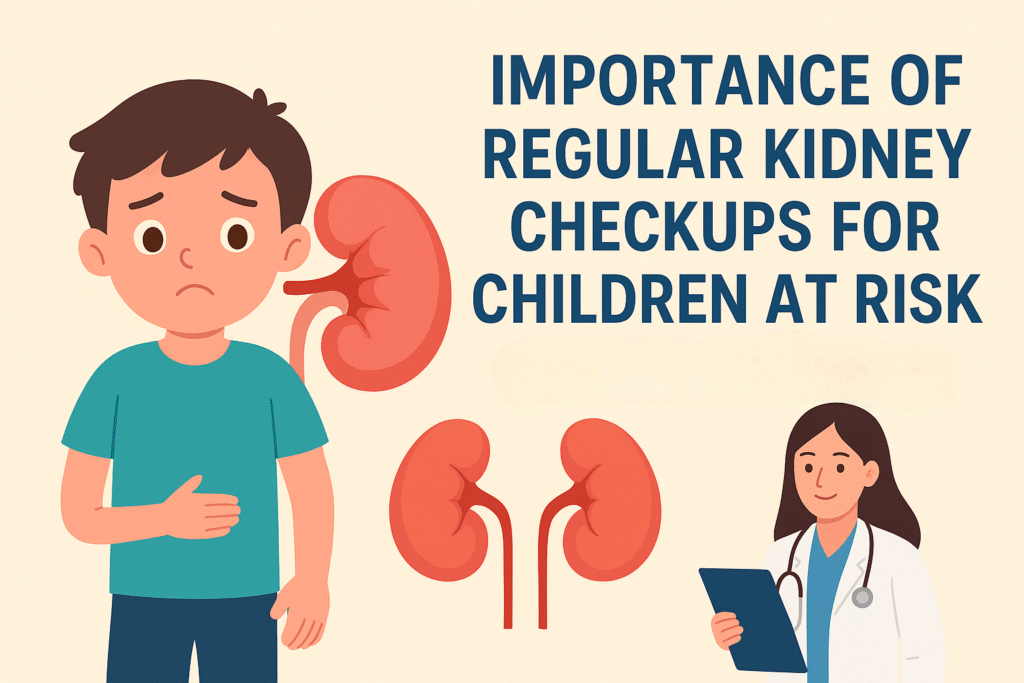
Kidney health is often overlooked in children because symptoms of kidney problems can be subtle or easily mistaken for everyday issues like fatigue or dehydration. However, early diagnosis plays a crucial role in preventing long-term complications. For parents of children with a family history of kidney disease, recurrent urinary infections, or congenital kidney abnormalities, regular kidney checkups become even more important. Consulting a qualified specialist such as a Pediatric Nephrologist ensures that your child receives expert evaluation and timely care.
Why Kidney Health Matters in Childhood
Kidneys perform vital functions — filtering waste, balancing electrolytes, regulating blood pressure, and maintaining overall fluid balance. For children, healthy kidneys are essential for normal growth and development. Any disruption in kidney function can affect not only physical health but also academic performance, energy levels, and emotional well-being.
Unfortunately, kidney issues in children often develop silently. Many conditions do not show symptoms until they progress to an advanced stage. This makes regular monitoring critical, especially for children who fall under high-risk categories.
Which Children Are at Higher Risk?
A child may require routine kidney checkups if they have any of the following risk factors:
- Family history of kidney disease
- Recurrent urinary tract infections (UTIs)
- Congenital abnormalities of the kidneys or urinary tract
- High blood pressure
- Diabetes or metabolic disorders
- Swelling in the face, feet, or abdomen
- Poor growth or developmental delays
If your child has any of these conditions, visiting a Child Kidney Specialist can help detect problems early and prevent complications such as chronic kidney disease (CKD).
What Happens During a Kidney Checkup?
A regular kidney checkup is simple, painless, and child-friendly. It typically includes:
1. Medical History Evaluation
The doctor evaluates symptoms, family history, previous infections, and any relevant medical issues that may indicate kidney stress.
2. Physical Examination
This includes checking for high blood pressure, swelling, abnormal urine odor, or discomfort around the abdomen.
3. Urine Tests
These tests help detect infections, protein leakage, blood in urine, and other signs of kidney dysfunction.
4. Blood Tests
Blood tests measure waste levels (creatinine, urea) to evaluate how well the kidneys are functioning.
5. Ultrasound or Imaging
Non-invasive imaging studies help visualize kidney structure and rule out congenital anomalies.
Regular checkups help track changes over time, making it easier to catch a problem in its early, treatable stage.
Benefits of Early Detection
1. Preventing Disease Progression
Early diagnosis allows timely treatment, preventing minor issues from progressing into serious kidney disease.
2. Avoiding Long-Term Complications
Untreated kidney problems may eventually lead to hypertension, anemia, bone disorders, and chronic kidney disease. Regular checkups significantly reduce this risk.
3. Supporting Healthy Growth
Kidney disorders can impact appetite and metabolism. Monitoring ensures that your child receives appropriate medical and nutritional support.
4. Better Quality of Life
Children with well-managed kidney health experience improved energy, better school performance, and overall well-being.
How Often Should At-Risk Children Have Kidney Checkups?
The frequency depends on your child’s risk level. For most at-risk children, checkups every 6 to 12 months are recommended. Children with known kidney disorders may need more frequent visits. A Pediatric Nephrologist can guide you based on your child’s specific needs and health status.
Importance of Early Specialist Consultation
Many pediatric kidney issues require a trained expert who understands the unique needs of growing children. A Child Kidney Specialist brings specialized knowledge in conditions such as congenital kidney diseases, nephrotic syndrome, UTIs, electrolyte imbalances, and pediatric hypertension.
Early specialist involvement ensures:
- Accurate diagnosis
- Tailored treatment plans
- Reduced hospitalization
- Long-term kidney protection
Tips for Parents to Protect Their Child’s Kidney Health
- Encourage adequate water intake
- Promote a balanced, low-salt diet
- Avoid overuse of painkillers and unnecessary medications
- Manage chronic conditions like UTI, diabetes, or obesity promptly
- Regularly monitor blood pressure
- Keep follow-up appointments without delays
Conclusion
Regular kidney checkups are essential for children who are at risk of developing kidney disorders. Early detection can prevent complications, support healthy growth, and ensure your child enjoys a healthy, active life. If your child shows symptoms or has a risk factor, consulting a trusted Pediatric Nephrologist like Dr. Punit Chhajed can make a life-changing difference. As a leading Child Kidney Specialist, he provides expert care, timely diagnosis, and comprehensive support to safeguard your child’s kidney health.
 Select an element to maximize. Press ESC to cancel.