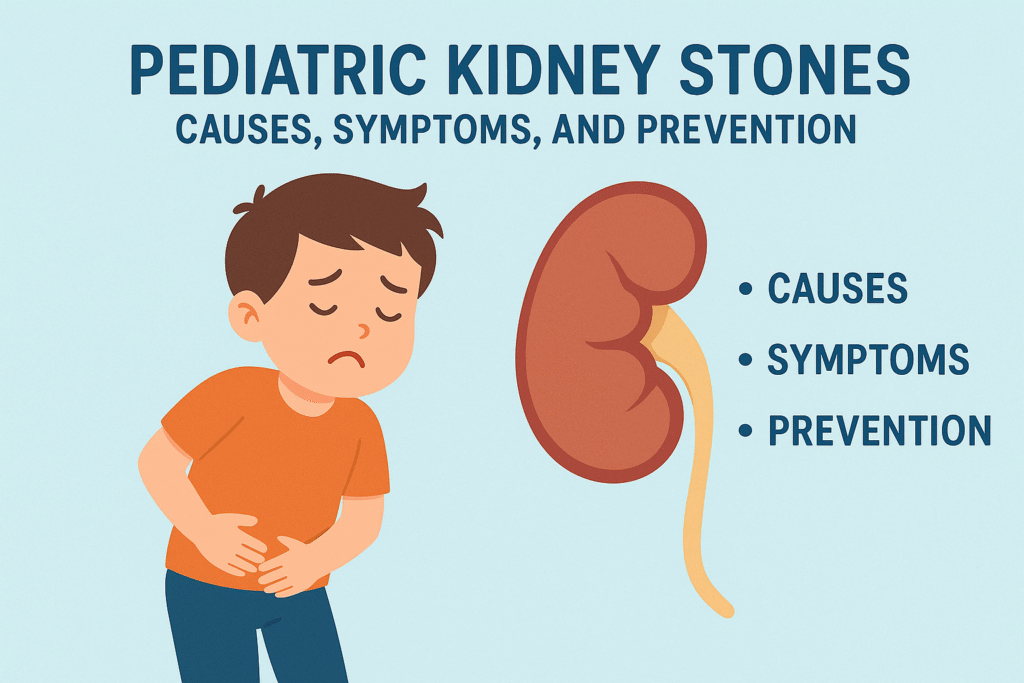
Kidney stones are often thought of as a condition affecting adults, but they can also occur in children. Pediatric kidney stones, though less common, are increasingly being diagnosed due to changes in lifestyle, diet, and environmental factors. Understanding the causes, recognizing the symptoms early, and taking preventive measures can significantly improve a child’s kidney health. Dr. Punit Chhajed, a leading Pediatric Nephrologist, shares insights into this condition and how parents can protect their children from it.
What Are Pediatric Kidney Stones?
Kidney stones are hard deposits made of minerals and salts that form inside the kidneys. When these stones develop in children, they can cause severe discomfort, urinary issues, and sometimes more serious complications if not addressed promptly. Children may not always communicate their pain effectively, making it essential for parents to be vigilant about early warning signs.
Common Causes of Kidney Stones in Children
Several factors can contribute to the formation of kidney stones in children. Some of the most common causes include:
- Dehydration: Insufficient water intake is a leading cause of kidney stones in children. Concentrated urine increases the risk of mineral crystallization, leading to stone formation.
- Dietary Factors: Diets high in salt, sugar, and certain proteins can increase the risk of kidney stones. Excessive intake of processed foods or sugary beverages may contribute to stone formation in susceptible children.
- Genetic Predisposition: Some children inherit a higher risk of developing kidney stones due to genetic factors. Family history of kidney stones can significantly increase a child’s chances of developing them.
- Medical Conditions: Certain medical conditions, including urinary tract infections (UTIs), hypercalciuria (excess calcium in urine), and metabolic disorders, can make children more prone to kidney stones.
- Medications: Some medications may increase the risk of stone formation as a side effect. Parents should consult a Child Kidney Specialist if their child is on long-term medication and experiencing urinary issues.
Symptoms of Kidney Stones in Children
Symptoms of pediatric kidney stones can vary depending on the stone’s size, location, and the child’s age. Common symptoms to watch for include:
- Severe pain in the lower back, abdomen, or sides
- Blood in urine (hematuria), which may appear pink, red, or brown
- Frequent or painful urination
- Nausea or vomiting
- Fever or chills, which may indicate an infection
- Difficulty gaining weight or poor appetite in younger children
Because children may have difficulty expressing their discomfort, unusual irritability, restlessness, or changes in urination patterns can also be warning signs. Early consultation with a Pediatric Nephrologist in is crucial for accurate diagnosis and timely treatment.
Diagnosis and Treatment
Diagnosis of kidney stones in children usually involves a combination of medical history, physical examination, and imaging tests such as ultrasound or X-rays. In some cases, blood and urine tests are conducted to identify underlying causes, such as metabolic disorders.
Treatment depends on the size and type of the stone. Small stones may pass naturally with increased fluid intake and pain management, while larger stones might require medical intervention, including minimally invasive procedures. A Child Kidney Specialist can recommend the most appropriate treatment plan tailored to the child’s needs.
Prevention of Pediatric Kidney Stones
Preventing kidney stones in children is always better than treating them. Some effective preventive strategies include:
- Encourage Adequate Hydration: Children should be encouraged to drink plenty of water throughout the day to dilute urine and prevent stone formation.
- Balanced Diet: A diet rich in fruits, vegetables, and low in excessive salt, sugar, and animal protein can reduce the risk of stones.
- Regular Check-Ups: Children with a family history of kidney stones or other risk factors should undergo periodic medical check-ups with a Pediatric Nephrologist.
- Monitor Urinary Symptoms: Any signs of discomfort, blood in urine, or changes in urination patterns should be promptly evaluated.
- Address Underlying Conditions: Conditions like hypercalciuria or urinary tract infections should be treated promptly to reduce the likelihood of stone formation.
Conclusion
Pediatric kidney stones can be a painful and stressful experience for both children and parents. Early recognition, proper diagnosis, and preventive care are essential to protect a child’s kidney health. Parents should ensure that children maintain healthy hydration habits, a balanced diet, and regular medical supervision. Consulting a Child Kidney Specialist at the earliest signs of urinary issues can make a significant difference in preventing complications and promoting long-term kidney health.
Dr. Punit Chhajed, a trusted Pediatric Nephrologist, emphasizes that awareness and proactive care are key to keeping children safe from kidney stones and ensuring healthy growth and development.
 Select an element to maximize. Press ESC to cancel.