Understanding Chronic Kidney Disease (CKD)
Chronic Kidney Disease, commonly known as CKD, is a long-term condition where the kidneys gradually lose their ability to function properly. It may sound like a scary diagnosis, but with the right care, awareness, and timely treatment, many children and adults can manage CKD and lead a good quality of life.
At our clinic in Pune, under the guidance of Dr. Punit Chhajed, we specialize in treating children with kidney-related issues, including chronic kidney disease. Our goal is to support families through education, treatment, and compassionate care.
What Are Kidneys and Why Are They Important?
Kidneys are two bean-shaped organs located on either side of your spine, just below the rib cage. Despite their small size, they do a big job! Kidneys filter waste and excess fluids from the blood, maintain the right balance of minerals like sodium and potassium, and help control blood pressure. They also make important hormones that support red blood cell production and bone health.
When kidneys stop working properly, waste products build up in the body, which can affect overall health.
What is Chronic Kidney Disease (CKD)?
CKD means the kidneys are damaged and can’t filter blood as well as they should. This damage happens slowly over months or even years. Unlike acute kidney problems that happen suddenly and may get better with treatment, CKD is a long-term condition and may gradually get worse over time.
CKD is staged from 1 to 5 based on how well the kidneys are working (known as glomerular filtration rate or GFR). Stage 5 is called kidney failure or end-stage renal disease (ESRD), where dialysis or a kidney transplant is needed.
Our Service
Causes of CKD in Children
As a Paediatric Nephrologist, Dr. Punit Chhajed sees various causes of CKD in children, which are often different from adults. Some of the common reasons include:
- Birth defects in the kidney or urinary tract
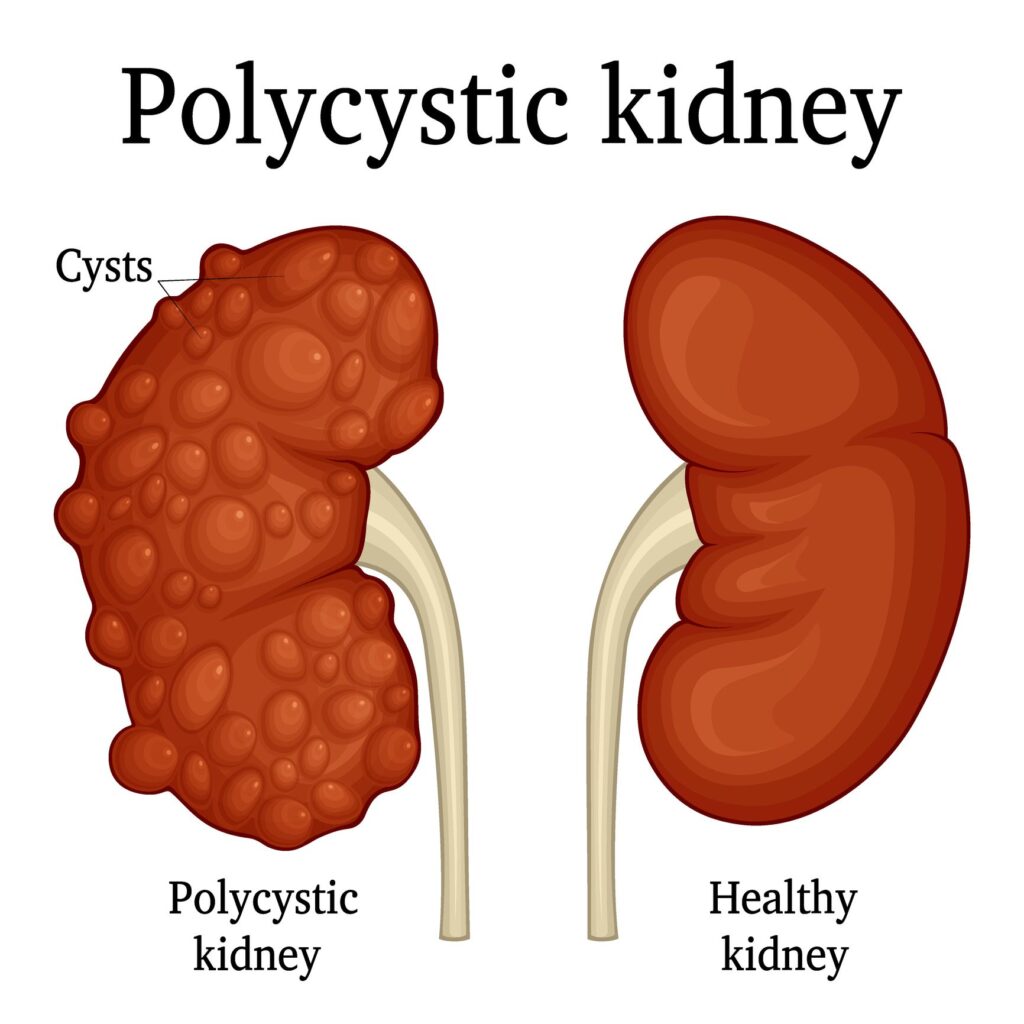
- Genetic conditions, like polycystic kidney disease
- Urinary tract blockages
- Recurrent urinary tract infections (UTIs)
- Nephrotic syndrome or glomerulonephritis (inflammation of the kidney filters)
- Reflux nephropathy (when urine flows backward from the bladder to the kidneys)
In adults, the most common causes of CKD are diabetes and high blood pressure.
Symptoms of Chronic Kidney Disease
In the early stages, CKD might not show any symptoms, especially in children. That’s why it’s sometimes called a “silent disease.” As the disease progresses, symptoms may appear such as:
- Swelling in the face, hands, or legs (due to fluid retention)
- Frequent or reduced urination
- Blood in the urine
- High blood pressure
- Poor appetite or weight loss
- Feeling tired or weak
- Nausea or vomiting
- Delayed growth in children
- Bone pain or easily broken bones
If your child shows any of these signs, consult a paediatric kidney specialist immediately.
How is CKD Diagnosed?
Diagnosing CKD involves a combination of:
- Blood tests to check kidney function (creatinine, GFR)
- Urine tests to detect protein, blood, or infection
- Ultrasound or other scans to look at kidney structure
- Blood pressure measurement
- Growth and development checks in children
Sometimes genetic testing or a kidney biopsy may also be needed to find the exact cause.
Can Chronic Kidney Disease Be Treated?
Yes, CKD can be managed, especially when detected early. The main aim of treatment is to:
- Slow down or stop the progression of kidney damage
- Treat the underlying cause
- Manage symptoms and prevent complications
- Support growth and development in children
Treatment may include:
- Medications: To control blood pressure, reduce protein loss in urine, correct anemia, or manage bone health.
- Dietary changes: Low salt, low potassium or low phosphate diets may be advised.
- Regular monitoring: To keep track of kidney function, growth, and nutrition.
- Treating infections: Prompt treatment of urinary or kidney infections.
- Hormone or vitamin supplements: To support growth and bone health in children.
In some cases, when kidneys lose most of their function, dialysis or a kidney transplant may become necessary.
Living with CKD: Advice for Parents and Families
Hearing that your child has CKD can be overwhelming, but you’re not alone. At our centre in Pune, Dr. Punit Chhajedand his team provide family-centered care, helping you understand every aspect of your child’s condition.
Here are some tips to help manage life with CKD:
- Regular follow-ups: Keep all doctor appointments and routine tests.
- Healthy lifestyle: A balanced diet and regular physical activity go a long way.
- Medication adherence: Give medicines exactly as prescribed, even if symptoms improve.
- Emotional support: It’s okay to feel anxious. Counseling and support groups can help parents and children cope better.
- Involve the child: As they grow older, involve them in understanding their health in an age-appropriate way.
Why Choose Dr. Punit Chhajed for Paediatric Kidney Care?
Dr. Punit Chhajed is a trusted name in Paediatric Nephrology in Pune. With years of specialized experience in treating kidney diseases in children, he offers expert care with empathy and compassion. His approach is holistic – combining advanced medical treatment with emotional and educational support for families.
What sets Dr. Chhajed apart:
- Expert in diagnosing and managing all stages of CKD in children
- Focus on early detection and prevention
- Personalised treatment plans for each child
- Guidance for kidney transplant planning if needed
- Strong emphasis on growth, nutrition, and quality of life
Our clinic is equipped with child-friendly infrastructure, state-of-the-art diagnostic tools, and a team that genuinely cares.
When to See a Paediatric Nephrologist?
If your child has:
- Repeated urinary tract infections
- High blood pressure
- Blood or protein in the urine
- Swelling or puffiness
- Poor growth or delayed milestones
- A known kidney or urinary tract condition
Then, it’s best to consult a paediatric kidney specialist early.
Final Thoughts
Chronic Kidney Disease can be challenging, especially for children and their families. But early detection, proper medical care, and a supportive environment can make all the difference.
If you’re in Pune and looking for an experienced and compassionate Paediatric Nephrologist, Dr. Punit Chhajed is here to help you and your child navigate CKD with confidence and care.
Dr. Punit Chhajed
Consultant – Paediatric Nephrology, Pune
Specializing in kidney care for children, including prenatal kidney abnormalities, urinary tract infections, reflux, and chronic kidney disease.