Kidney Stones
Kidney stones are a common health issue that can affect both adults and children. While most people think kidney, stones are an adult problem, they can also develop in children and teenagers. As a Paediatric Nephrologist based in Pune, I, Dr. Punit Chhajed, often see young patients struggling with the pain and discomfort that comes with kidney stones. With early diagnosis and proper care, they can be treated effectively.
Let’s understand kidney stones in a way that’s simple and easy to grasp.
What Are Kidney Stones?
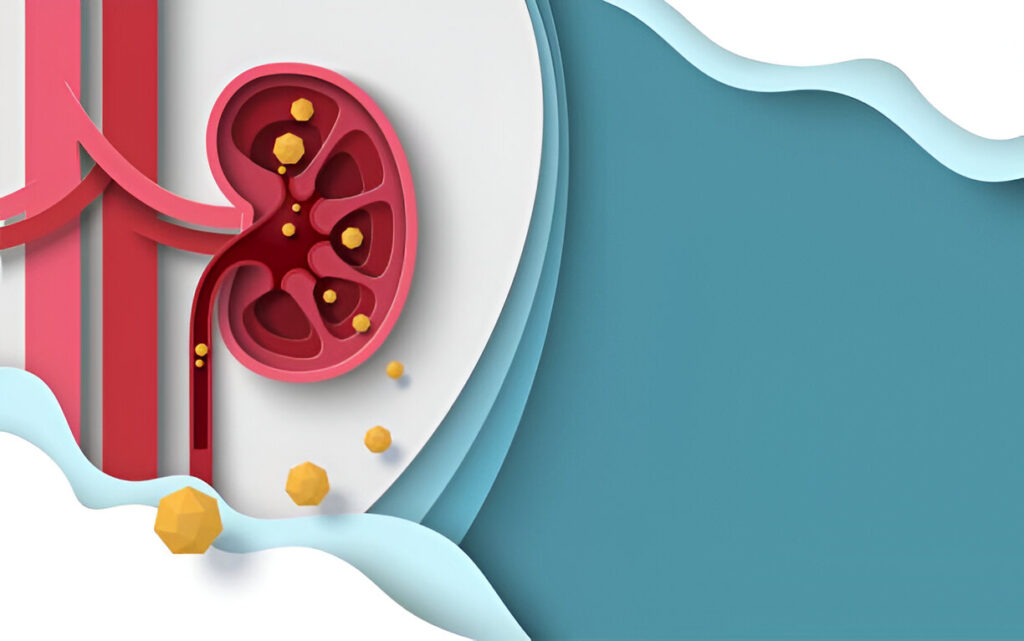
Kidney stones are hard, pebble-like substances that form inside your kidneys. They’re made up of minerals and salts, such as calcium, oxalate, and uric acid etc, that stick together and crystallize. These stones can be as small as a grain of sand or as large as a golf ball. Some stones stay in the kidney and do not cause acute problems, but others travel through the urinary tract and cause pain or block urine flow. In the long run, kidney stones can lead to decrease in kidney function.
What Causes Kidney Stones?
There isn’t always a single reason why kidney stones form, but some common causes include:
- Not drinking enough water – Dehydration is one of the leading causes. Less water means more concentrated urine, which makes it easier for crystals to form.
- Too much salt in the diet – These can increase the chances of stones forming.
- High intake of certain foods – Foods rich in oxalates (like spinach, beets, nuts) may contribute to stone formation in predisposed individuals.
Our Service
Can Children Get Kidney Stones?
Yes, children can get kidney stones too. In fact, cases in children are on the rise, partly due to changes in diet and lifestyle. At my practice, I see many young patients who come in with symptoms that turn out to be kidney stones. It’s important for parents to be aware and not ignore early warning signs.
What Are the Symptoms of Kidney Stones?
The symptoms can vary depending on the size of the stone and where it is located in the urinary system. Common signs include:
Severe pain in the back, side, or lower belly
Pain during urination
Frequent urge to urinate
Blood in the urine (pink, red, or brown urine)
Nausea or vomiting
Fever and chills (if there is an infection)
Irritability or crying in young children who can’t express pain
Surveillance in children born into families with a history of kidney stones
Sometimes, small stones may pass without causing much discomfort. However, larger stones can block the flow of urine and cause intense pain.
How Are Kidney Stones Diagnosed?
If kidney stones are suspected, we usually begin with:
Medical History & Symptoms – We ask about your child’s diet, fluid intake, and family history.
Urine and blood tests – To check for signs of infection or high levels of certain minerals.
Ultrasound / X-rays / CT scans – These help us locate the stones and determine their size and position.
At our centre in Pune, we use child-friendly diagnostic tools to make the process as comfortable as possible.
How Are Kidney Stones Treated?
Treatment depends on the size, type, and location of the stone.
1. Small Stones
Often, these can pass naturally through urine.
We recommend drinking plenty of fluids (unless restricted for other medical reasons).
Pain relievers may be given to ease the discomfort.
A child may need to strain the urine to catch the stone for lab analysis.
2. Larger Stones or Complicated Cases
These may need medical procedures:
ESWL (shock wave therapy) – Breaks the stones into smaller pieces.
Ureteroscopy – A small scope is inserted through the urinary tract to remove or break the stone.
Surgery – Needed if the stone is too large or causing severe blockage or infection.
Rest assured, modern treatments are safe, effective, and minimally invasive.
How Can We Prevent Kidney Stones?
Prevention is better than cure, especially when it comes to kidney stones. Here’s how you can help your child avoid them:
Keep them hydrated – Encourage drinking enough water throughout the day.
Limit salty snacks and junk food
Add fresh fruits and vegetables to their meals.
Avoid certain food items as per the composition of the stone
Regular physical activity – Helps with overall kidney health.
Medications to keep the urine alkaline and prevent recurrent stone formation
In some children with a history of recurrent stones, we may advise special diets or medications based on the stone type.
When to See a Paediatric Nephrologist?
You should consult a Paediatric Nephrologist if:
Your child has had kidney stones
There are signs of urinary problems, like frequent UTIs or painful urination.
There’s family history of kidney issues.
Blood tests show abnormal kidney function.
Incidentally detected kidney stones on ultrasound of the abdomen done for some other reason
As a specialist in Paediatric Kidney Care, I help parents understand the root cause of kidney stones and guide them through both treatment and long-term prevention.
Final Thoughts
Kidney stones can be scary, especially when they affect your little one. But with timely care and expert guidance, they are completely manageable. Whether your child is experiencing symptoms for the first time or has had repeated episodes, don’t hesitate to seek help.
If you’re in Pune and looking for a Paediatric Kidney Specialist, I’m here to help.
Why Choose Dr. Punit Chhajed?
I believe in gentle, child-centered care. Every child is different, and so is every kidney condition. At my clinic in Pune, we take the time to understand your child’s unique needs, use evidence-based practices, and involve parents at every step of the treatment plan.
With over a decade of experience in Paediatric Nephrology, I’ve helped numerous children recover from kidney stones and go back to living active, pain-free lives. My goal is not just treatment, but also education and prevention, so your child doesn’t have to go through the same pain again.
With over a decade of experience in Paediatric Nephrology, I’ve helped numerous children recover from kidney stones and go back to living active, pain-free lives. My goal is not just treatment, but also education and prevention, so your child doesn’t have to go through the same pain again.