Problem while passing urine
Does your child complain of burning or pain while passing urine?
It can be worrying for any parent to hear this. As adults, we often take such symptoms seriously — and we should do the same when it comes to children. While this discomfort is fairly common, especially in children, it’s not something to ignore.
Let’s help you understand what it means, what causes it, and when to seek medical help. This information is brought to you by Dr. Punit Chhajed, a trusted Paediatric Nephrologist in Pune, who specializes in kidney and urinary disorders in children.
What Does Pain While Passing Urine Mean?
Painful urination — also called dysuria — is when your child experiences a burning or stinging feeling while urinating. Sometimes they may describe it as tummy pain or discomfort in the lower body. It can be due to irritation, infection, or even dehydration.
Many children might hesitate to talk about this, especially if they’re too young to express what’s wrong. As a parent, you might notice signs like:
- Crying while passing urine
- Frequent trips to the bathroom
- Holding urine or avoiding going to the toilet
- Fever or change in urine color
If you see any of these signs, it’s time to pay closer attention
Our Service
Common Causes of Pain While Urinating
There can be several reasons why your child may experience discomfort during urination. Here are the most common ones:
1. Urinary Tract Infection (UTI)
This is one of the most common causes. A UTI happens when bacteria enter the urinary system. Girls are more prone than boys due to anatomical differences, but it can affect anyone.
Symptoms of UTI in children may include:
- Burning sensation while peeing
- Urgent need to urinate often
- Fever
- Foul-smelling urine
- Abdominal or back pain
2. Poor Hygiene
Improper cleaning after using the toilet can lead to irritation or infection, especially in toddlers and younger kids. It’s important to teach children proper wiping techniques and handwashing habits.
3. Dehydration
When children don’t drink enough water, their urine becomes concentrated, which can cause a burning feeling while urinating.
4. Bubble Baths or Soaps
Some soaps, shampoos, or bubble baths contain chemicals that can irritate the sensitive skin around the private parts, leading to discomfort during urination.
5. Vaginitis or Balanitis
In girls, irritation or inflammation of the vaginal area (vaginitis) can lead to painful urination. In boys, inflammation of the foreskin or tip of the penis (balanitis) can also cause pain.
6. Constipation
This might surprise many parents, but constipation can press on the bladder and interfere with normal urination, causing discomfort or pain.
7. Stones in the Urinary Tract
Though less common, kidney or bladder stones can cause pain and even blood in the urine.
When Should You Visit a Paediatric Nephrologist?
It’s okay for a child to feel uncomfortable once in a while, but if these symptoms persist for more than a day or two, or if they’re severe, it’s time to seek medical advice. Dr. Punit Chhajed, Consultant in Paediatric Nephrology, is highly experienced in identifying the root cause of urinary problems in children and guiding parents through proper treatment. You should consult a specialist if:Your child has a fever along with pain while urinating
Urine appears cloudy, red/pink/black, or is foul-smelling
There’s visible blood in the urine
The child is unable to pass urine
Symptoms are recurring
The child is below 1 year of age
Early diagnosis and treatment can prevent complications and keep your child healthy.
It’s okay for a child to feel uncomfortable once in a while, but if these symptoms persist for more than a day or two, or if they’re severe, it’s time to seek medical advice. Dr. Punit Chhajed, Consultant in Paediatric Nephrology, is highly experienced in identifying the root cause of urinary problems in children and guiding parents through proper treatment. You should consult a specialist if:
How is the Condition Diagnosed?
The diagnosis starts with a proper history and physical examination. Your doctor may ask about:
- Your child’s toilet habits
- Fluid intake
- Recent infections
- Any changes in behavior
Some common tests may include:
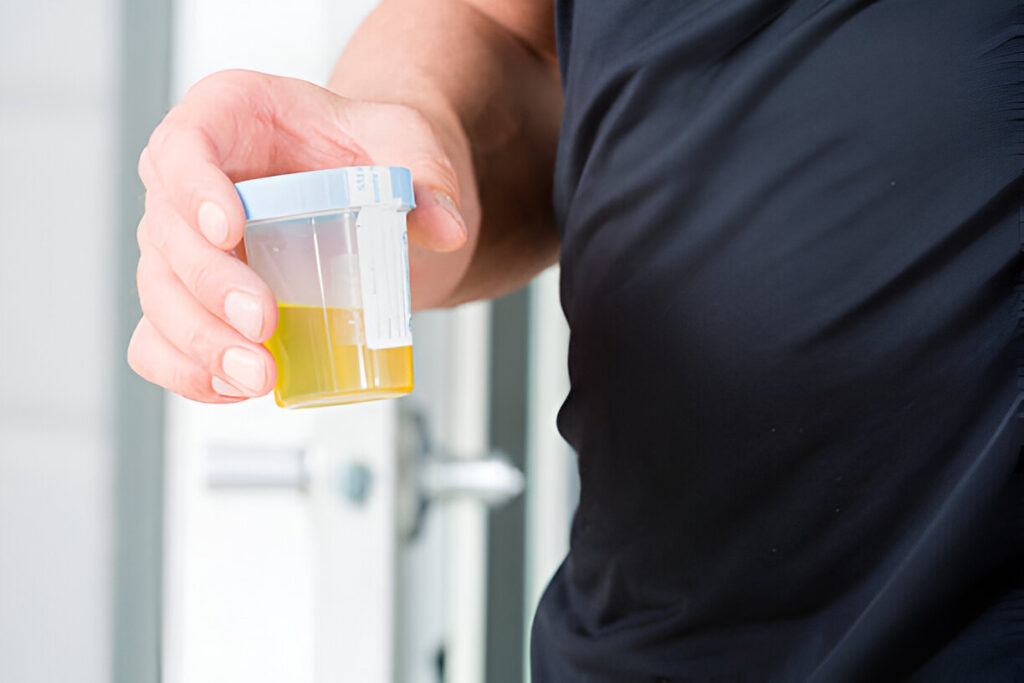
- Urine test (urinalysis) – to check for infection or blood
- Urine culture – to find the exact bacteria causing infection
- Ultrasound of the kidneys and bladder – to detect any structural issues
- Blood tests – in severe or complicated cases
All of these are painless procedures, and they help in understanding what’s going wrong inside your child’s urinary system.
Treatment Options
Treatment depends on the cause. Here’s a brief overview:
✅ If It’s a UTI:
Antibiotics are prescribed based on the urine culture report. It’s important to complete the full course even if symptoms improve early.
✅ If It’s Dehydration:
Increasing your child’s water intake helps flush out toxins and reduce discomfort.
✅ If Caused by Soaps or Hygiene Products:
Discontinue the use of scented soaps or bath products. Use plain, lukewarm water instead.
✅ In Case of Structural Abnormalities or Stones:
Your paediatric nephrologist may suggest additional investigations or refer you for surgery if needed.
Home Care Tips for Parents
Here’s what you can do at home to support your child’s recovery and prevent future issues:
- Encourage frequent (every 2-3 hourly) bathroom visits – Don’t let your child hold urine for too long.
- Keep them well-hydrated – Offer water frequently throughout the day.
- Maintain hygiene – Teach proper wiping techniques (front to back for girls).
- Avoid bubble baths and scented soaps – Especially around the genital area.
- Watch for signs – Repeated complaints should not be ignored.
Most importantly, stay calm and supportive. Children may feel embarrassed or scared. A reassuring attitude helps them open up and feel safe.
Why Choose Dr. Punit Chhajed?
When it comes to your child’s health, experience and expertise matter.
Dr. Punit Chhajed is a renowned Consultant in Paediatric Nephrology in Pune, dedicated to the care of kidney and urinary disorders in children of all age groups. He combines compassionate care with advanced medical knowledge to give your child the best chance of recovery.
Whether it’s a simple infection or a more complex issue, Dr. Chhajed ensures:
- Accurate diagnosis
- Child-friendly approach
- Clear guidance to parents
- Holistic and evidence-based treatment
Final Thoughts
Pain or discomfort while passing urine should never be ignored in children. While it’s often a sign of a minor issue like a UTI or dehydration, it can also signal something more serious if left untreated.
With the right care and guidance from a specialist like Dr. Punit Chhajed, your child can be free from discomfort and back to their cheerful, active self in no time.
If your child is facing urinary discomfort, don’t delay.
Schedule a consultation with Dr. Punit Chhajed today and take the first step toward your child’s kidney & urinary tract health.