Swelling around the eyes and entire body
As parents, it’s always worrying to see any unusual signs in your child—especially something as noticeable as swelling around the eyes or over the body. Many parents come to me with concerns like:
- “Why are my child’s eyes puffy in the morning?”
- “There’s swelling in the legs and feet—what could be causing it?”
- “Is this normal or something serious?”
Let’s break it down in simple terms and understand when swelling (also called edema) is normal and when it could be a sign of an underlying condition, especially related to the kidneys.
What Is Swelling (Edema)?
Swelling, or edema, happens when excess fluid builds up in the body’s tissues. It can show up in different parts like:
Edema, also known as swelling, is the abnormal accumulation of fluid in the body’s tissues. It occurs when excess fluid leaks from small blood vessels into surrounding tissues, causing them to swell. While edema can occur anywhere in the body, it’s most commonly observed in the legs, ankles, and feet.
Swelling, or edema, happens when excess fluid builds up in the body’s tissues. It can show up in different parts like:
- Around the eyes (periorbital swelling)
- In the legs, ankles, or feet
- Sometimes in the hands, abdomen, or the whole body
Edema, also known as swelling, is the abnormal accumulation of fluid in the body’s tissues. It occurs when excess fluid leaks from small blood vessels into surrounding tissues, causing them to swell. While edema can occur anywhere in the body, it’s most commonly observed in the legs, ankles, and feet.
Our Service
Common Causes of Swelling in Children
Swelling can happen due to a variety of reasons—some are harmless, while others need medical attention. Let’s look at the most common causes:
1. Normal Morning Puffiness
Some children wake up with puffiness around their eyes in the morning. This can be completely normal and may happen because of:
- Sleeping flat for long hours
- Mild water retention overnight
- Allergies or sinus issues
This type of swelling usually disappears on its own within a few hours after waking up.
2. Allergic Reactions
Sometimes, swelling around the eyes or on the face can happen due to allergies. It may be caused by:
- Dust, pollen, pet dander
- Insect bites or stings
- Certain foods or medications
You may also notice itching, redness, sneezing, or rashes in such cases.
3. Infections
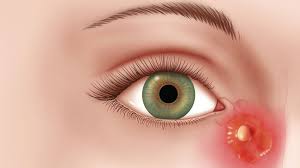
Eye infections like conjunctivitis (pink eye) or cellulitis can cause swelling. These conditions usually need medical treatment, especially if there is fever, pain, or pus.
4. Kidney Problems
This is one of the most important causes of swelling we see in our clinic. When the kidneys are not functioning well, the body may start holding on to salt and water, causing swelling. Alternatively, it could also be caused by leakage of proteins in the urine and also an acute or long-term decline in the kidney function.
Some kidney-related conditions that can lead to swelling include:
a. Nephrotic Syndrome
This is a condition where the kidneys leak a lot of protein in the urine. The body loses important proteins that help keep fluid in the blood vessels, so the fluid leaks into surrounding tissues—causing swelling.
Key signs:
- Puffy eyes (especially in the morning)
- Swelling in legs, feet, and belly
- Frothy or bubbly urine
- Weight gain (due to fluid, not fat)
- Tiredness or irritability
Nephrotic syndrome is quite common in children and can be treated effectively with proper care and medicines.
b. Glomerulonephritis
This is inflammation in the filtering units of the kidneys. It may follow a throat or skin infection. In addition to swelling, the child may have:
- Decreased urine output
- Blood in urine (tea-colored or reddish urine)
- High blood pressure
This condition also requires prompt evaluation by a paediatric nephrologist.
5. Liver Disease
Though less common in children, liver problems can also cause swelling, especially in the tummy (ascites) and legs.
6. Heart Conditions
In rare cases, if the heart is not pumping efficiently, it may lead to fluid accumulation in the body. Swelling may be accompanied by tiredness, difficulty breathing, or poor weight gain.
When to Worry? Red Flags That Need a Doctor’s Visit
If you see any of the following signs in your child along with swelling, it’s important to seek medical advice:
- Swelling that persists for more than a few days
- Puffy eyes that don’t go away or get worse
- Swelling that spreads to the legs, hands, or abdomen
- Reduced urine output or urine that looks frothy or reddish
- Rapid weight gain
- Tiredness, loss of appetite, or fever
- Breathing difficulty or high blood pressure
These could be signs of kidney disease or another underlying condition that needs evaluation.
How Is the cause Diagnosed?
At our clinic in Pune, when a child presents with swelling, we perform a detailed check-up that includes:
- Physical examination
- Urine test (to check for protein or blood)
- Blood tests (to assess kidney and liver function)
- Blood pressure check
- Sometimes, an ultrasound of the abdomen or kidneys
Based on these results, we can identify the cause and plan the best treatment for your child.
Treatment Depends on the Cause
Treatment is not the same for every child. It completely depends on what is causing the swelling:
- For nephrotic syndrome, we often start steroid medicines to stop the protein loss.
- In cases of glomerulonephritis, treatment may include medications to reduce inflammation.
- If the swelling is due to allergy or infection, the child may need antihistamines or antibiotics.
- Supportive care like fluid and salt restriction, proper nutrition, and monitoring urine output is often part of the treatment.
Role of a Paediatric Nephrologist
As a Consultant Paediatric Nephrologist, I specialize in kidney-related problems in children. My goal is to:
- Identify the root cause of the swelling
- Start timely and effective treatment
- Educate and support families during the process
- Prevent long-term complications with regular follow-ups
Most kidney conditions in children can be well-managed or even cured, especially when caught early
Final Words to Parents
Swelling around the eyes or body may seem small, but it can sometimes be a sign of something sinister—especially in children. If you’re unsure whether it’s normal or not, don’t wait. It’s always better to get it checked by a specialist.
Early diagnosis and timely treatment can make a big difference in your child’s health.
About Dr. Punit Chhajed
Dr. Punit Chhajed is a highly experienced Consultant – Paediatric Nephrologist based in Pune. With a focus on kidney health in children, he has successfully treated numerous cases of nephrotic syndrome, urinary tract infections, and other childhood kidney diseases. His compassionate approach and clear communication make him a trusted name among parents seeking expert care for their children.