High blood pressure, or hypertension, is often considered an adult health issue. However, in recent years, doctors are increasingly diagnosing high blood pressure in children. This rise is concerning because childhood hypertension often goes unnoticed and can lead to serious health complications later in life if not treated early. Understanding the risk factors is the first step toward prevention and timely care.
Parents seeking Hypertension Children Treatment should be aware that early diagnosis and lifestyle changes can make a significant difference.
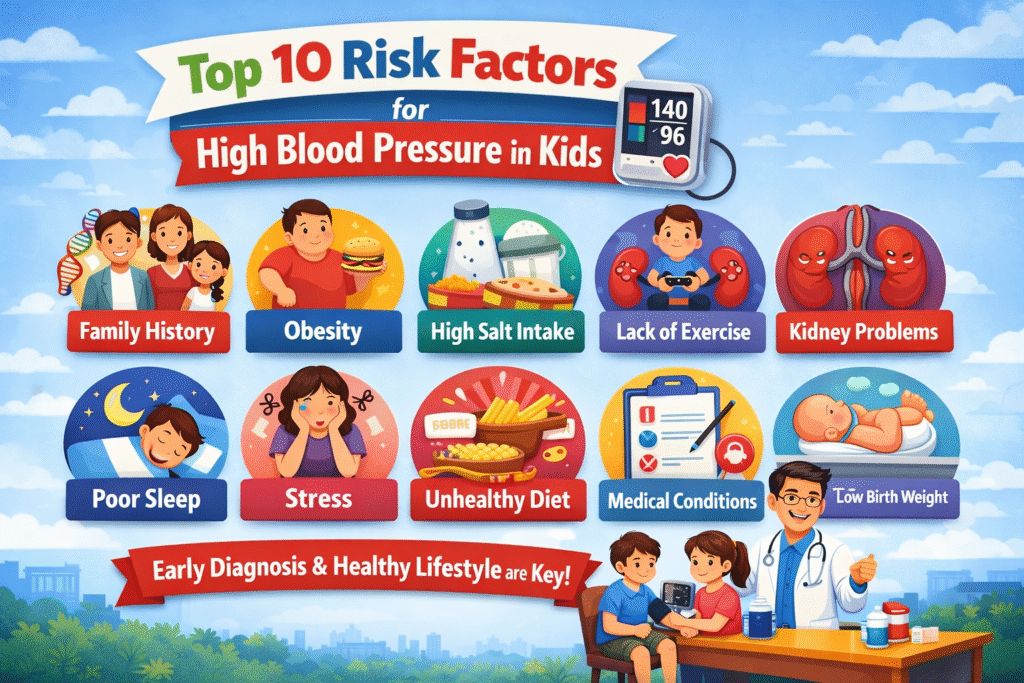
Below are the top 10 risk factors for high blood pressure in kids that every parent should know.
1. Family History of Hypertension
Genetics plays a strong role in a child’s blood pressure. If one or both parents have high blood pressure, heart disease, diabetes, or kidney problems, the child has a higher risk of developing hypertension. While genetics cannot be changed, early screening and healthy lifestyle habits can help manage the risk effectively.
2. Childhood Obesity and Overweight
One of the most common causes of high blood pressure in kids today is obesity. Excess body weight puts extra strain on the heart and blood vessels, leading to increased blood pressure levels. Children who spend long hours on screens, avoid physical activity, and consume high-calorie foods are especially vulnerable.
Maintaining a healthy weight through balanced nutrition and regular exercise is crucial in preventing pediatric hypertension.
3. High Salt (Sodium) Intake
Children today consume far more salt than recommended, often through packaged snacks, fast food, instant noodles, and processed meals. Excess sodium causes the body to retain water, increasing blood pressure.
Reducing salty snacks and encouraging home-cooked meals can significantly lower the risk. Reading food labels and choosing low-sodium options can also help protect your child’s heart health.
4. Lack of Physical Activity
A sedentary lifestyle is another major contributor to high blood pressure in children. With increased screen time and reduced outdoor play, many kids are not getting enough physical activity.
Regular exercise helps keep blood vessels healthy, controls weight, and reduces stress. At least 60 minutes of physical activity daily—such as cycling, swimming, or playing outdoor games—is recommended for children.
5. Kidney Disorders
Kidney problems are one of the leading medical causes of high blood pressure in children. Conditions such as congenital kidney abnormalities, urinary tract infections, or chronic kidney disease can interfere with the body’s ability to regulate blood pressure.
A Pediatric Nephrologist plays a key role in diagnosing and managing kidney-related hypertension and ensuring long-term kidney health in children.
6. Poor Sleep and Sleep Disorders
Sleep problems, including inadequate sleep and conditions like sleep apnea, are increasingly linked to high blood pressure in kids. Poor sleep affects hormone balance and stress levels, which can raise blood pressure.
Children should follow a consistent sleep routine and get age-appropriate hours of rest. If a child snores loudly, breathes irregularly during sleep, or seems tired during the day, medical evaluation is advised.
7. Stress and Emotional Factors
Academic pressure, excessive screen exposure, lack of recreation, and emotional stress can all contribute to elevated blood pressure in children. Chronic stress triggers hormonal changes that can increase heart rate and blood pressure over time.
Encouraging open communication, relaxation activities, physical play, and a balanced daily routine can help reduce stress levels in kids.
8. Poor Dietary Habits
Diets low in fruits, vegetables, and whole grains—and high in sugar, unhealthy fats, and processed foods—can increase the risk of hypertension. Nutrient deficiencies, particularly low potassium and calcium intake, can also affect blood pressure regulation.
A heart-healthy diet rich in fresh fruits, vegetables, lean proteins, and whole grains supports normal blood pressure and overall growth.
9. Underlying Medical Conditions
Certain medical conditions can increase the risk of high blood pressure in children, including:
- Diabetes
- Hormonal disorders
- Heart defects
- Thyroid problems
Children with chronic illnesses should have their blood pressure monitored regularly as part of their routine medical care.
10. Premature Birth or Low Birth Weight
Babies born prematurely or with low birth weight have a higher risk of developing high blood pressure later in childhood. Their blood vessels and organs may not develop fully, making them more vulnerable to cardiovascular issues.
Regular follow-ups and early lifestyle guidance can help reduce long-term risks in these children.
Why Early Detection Matters
High blood pressure in children often shows no obvious symptoms, which is why it can go unnoticed for years. If left untreated, it can lead to heart disease, kidney damage, and other complications in adulthood.
Regular blood pressure checks, especially for children with known risk factors, are essential. Parents looking for expert care can benefit from specialized Hypertension Children Treatment, where early diagnosis and personalized care plans are available.
When to Consult a Specialist
If your child has repeated high blood pressure readings, a family history of hypertension, obesity, or kidney-related issues, consulting Dr Punit Chhajed, Pediatric Nephrologist is strongly recommended. Specialized care ensures accurate diagnosis, identifies the underlying cause, and provides child-specific treatment options.
Final Thoughts
High blood pressure in kids is a growing health concern, but it is also preventable and manageable with early awareness and proper care. By understanding the risk factors and making healthy lifestyle choices, parents can protect their child’s heart and kidney health for the future.
Regular screenings, balanced nutrition, physical activity, stress management, and expert medical guidance together form the foundation for keeping children healthy and hypertension-free.
 Select an element to maximize. Press ESC to cancel.