High blood pressure is often considered an adult health issue, but in recent years, childhood hypertension has become an increasingly recognized medical concern. With changing lifestyles, rising childhood obesity, and genetic factors, more children are being diagnosed with elevated blood pressure than ever before. Early awareness, timely diagnosis, and proper medical care are crucial to prevent long-term complications.
According to Dr Punit Chhajed, an experienced Pediatric Nephrologist, childhood hypertension is frequently underdiagnosed because it often shows no obvious symptoms in the early stages. Understanding its causes, warning signs, and importance of early intervention can make a significant difference in a child’s overall health.
What Is Childhood Hypertension?
Childhood hypertension refers to persistently high blood pressure levels in children and adolescents compared to age-, height-, and gender-specific standards. Unlike adults, blood pressure values in children vary depending on growth and development, making accurate measurement and interpretation essential.
When left untreated, high blood pressure in children can lead to damage to vital organs such as the heart, kidneys, and brain, increasing the risk of serious health issues later in life.
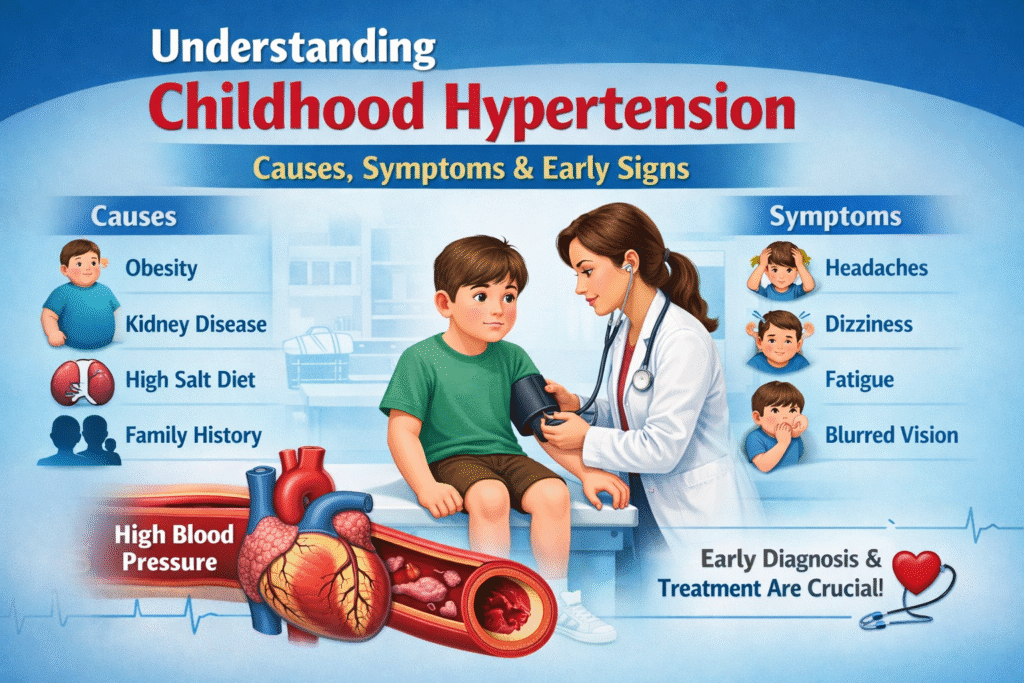
Causes of Hypertension in Children
Childhood hypertension can be broadly classified into primary (essential) and secondary hypertension.
1. Primary Hypertension
This form is more common in older children and teenagers. It is often linked to lifestyle factors such as:
- Obesity or being overweight
- Sedentary habits
- High salt and processed food intake
- Family history of high blood pressure
- Stress and lack of physical activity
2. Secondary Hypertension
More common in younger children, secondary hypertension usually results from an underlying medical condition, including:
- Kidney diseases
- Congenital heart defects
- Hormonal disorders
- Certain medications
- Sleep-related breathing disorders
A consultation with a qualified Pediatric Nephrologist is crucial to identify the root cause and initiate appropriate treatment.
Early Signs and Symptoms to Watch For
One of the biggest challenges with childhood hypertension is that it is often asymptomatic. However, when symptoms do appear, they may include:
- Frequent headaches
- Fatigue or weakness
- Blurred vision
- Dizziness
- Nosebleeds
- Difficulty concentrating
- Shortness of breath in severe cases
Parents should not ignore these signs, especially if the child has known risk factors. Regular blood pressure monitoring during routine checkups plays a vital role in early detection.
Why Early Diagnosis Matters
Early diagnosis of hypertension in children can help prevent serious complications such as:
- Heart disease
- Kidney damage
- Stroke later in life
- Poor growth and development
With early intervention, lifestyle changes, and medical guidance, most children can successfully manage their blood pressure and lead healthy lives.
Diagnosis and Evaluation
Diagnosis involves multiple blood pressure readings taken on different occasions. Additional tests may be recommended to determine the cause, including:
- Blood and urine tests
- Kidney ultrasound
- Echocardiogram
- Ambulatory blood pressure monitoring
Specialized evaluation under Hypertension Children Treatment ensures accurate diagnosis and personalized care plans.
Treatment Options for Childhood Hypertension
Treatment depends on the child’s age, blood pressure level, and underlying cause.
Lifestyle Modifications
For many children, simple lifestyle changes can significantly improve blood pressure:
- Balanced, low-salt diet
- Regular physical activity
- Weight management
- Reduced screen time
- Stress management
Medical Treatment
If lifestyle changes are not sufficient or if secondary hypertension is present, medications may be prescribed under expert supervision. Treatment is always tailored to the child’s specific needs.
Seeking expert care for Hypertension Children Treatment ensures that children receive safe, evidence-based, and age-appropriate therapy.
Role of a Pediatric Nephrologist
A pediatric nephrologist specializes in kidney-related causes of hypertension, which are among the most common contributors in children. Dr Punit Chhajed, a trusted Pediatric Nephrologist, focuses on early diagnosis, root-cause treatment, and long-term monitoring to protect children’s kidney and cardiovascular health.
Preventing Childhood Hypertension
Prevention starts at home. Parents can help by:
- Encouraging healthy eating habits
- Promoting outdoor play and physical activity
- Limiting salty and processed foods
- Scheduling regular health checkups
- Monitoring blood pressure when advised
Early awareness and preventive care can dramatically reduce the risk of hypertension and its complications.
Final Thoughts
Childhood hypertension is a growing health concern, but with early detection, expert medical care, and lifestyle adjustments, it can be effectively managed. Parents should remain vigilant and proactive, especially if their child has risk factors or symptoms.
Under the guidance of Dr Punit Chhajed, children receive comprehensive and compassionate care focused on long-term well-being. Timely intervention through expert Hypertension Children Treatment can help children grow into healthy adults with strong hearts and kidneys.
 Select an element to maximize. Press ESC to cancel.