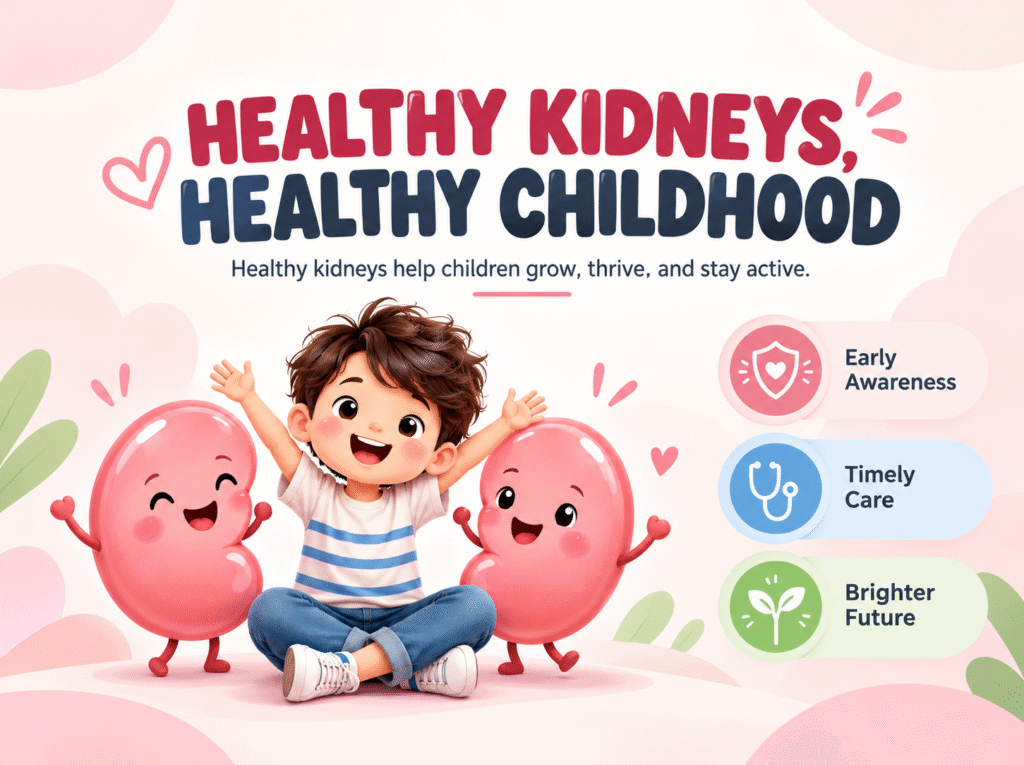
A child’s kidneys play an essential role in maintaining good health. They filter waste from the blood, remove excess fluids through urine, balance important minerals, and help regulate blood pressure. When the kidneys are not functioning properly, it can affect a child’s growth, energy levels, and overall development.
Understanding the early signs of kidney problems can help parents seek medical attention at the right time. Consulting a Pediatric Nephrologist can support the early diagnosis and appropriate management of kidney-related conditions in children.
What Does a Pediatric Nephrologist Do?
A Pediatric Nephrologist is a medical specialist who diagnoses and manages kidney disorders in infants, children, and adolescents. These specialists evaluate kidney function, investigate urinary problems, and develop treatment plans based on each child’s age, symptoms, and medical history.
Common conditions managed by a pediatric kidney specialist include:
- Urinary tract infections (UTIs)
- Nephrotic syndrome
- Chronic kidney disease
- Kidney stones
- Blood or protein in the urine
- High blood pressure in children
- Congenital kidney abnormalities
- Electrolyte imbalances and other kidney-related disorders
Common Warning Signs of Kidney Problems in Children
Kidney conditions may not always cause noticeable symptoms in their early stages. However, parents should consult a healthcare professional if their child experiences:
1. Swelling Around the Eyes or Feet: Swelling may sometimes indicate that the kidneys are not properly regulating fluids or that protein is being lost through the urine.
2. Changes in Urine: Blood in the urine, unusually foamy urine, or significant changes in urination should be evaluated by a medical professional.
3. Repeated Urinary Infections: Recurrent UTIs, especially when accompanied by fever, may require further investigation to identify possible underlying urinary tract abnormalities.
4. High Blood Pressure: Kidney disorders can contribute to high blood pressure in children. Blood pressure monitoring is important when recommended by a healthcare professional.
5. Poor Growth or Persistent Tiredness: Some chronic kidney conditions can affect appetite, energy levels, and normal growth.
These symptoms do not always indicate kidney disease, but timely medical evaluation can help determine their cause.
Why Is Early Diagnosis Important?
Early diagnosis helps identify kidney conditions before complications develop. Depending on the symptoms, a specialist may recommend urine tests, blood tests to assess kidney function, blood pressure measurement, or imaging studies such as an ultrasound.
Treatment depends on the underlying condition and may include medication, dietary guidance, regular monitoring, or specialized care for more complex kidney disorders. Parents should follow the treatment plan recommended for their child rather than relying on home remedies or self-medication.
How Can Parents Support Their Child’s Kidney Health?
Parents can encourage healthy habits by ensuring their children drink adequate fluids, eat a balanced diet, maintain good hygiene, and attend recommended health check-ups. Children with diagnosed kidney conditions may need individualized fluid, salt, or dietary guidance from their healthcare team.
It is also important to complete prescribed treatment for urinary infections and attend follow-up appointments when advised.
Consult Dr Punit Chhajed for Pediatric Kidney Care
If your child has recurring urinary infections, swelling, abnormal urine findings, high blood pressure, or other symptoms that may indicate a kidney problem, seeking professional advice is an important step.
Dr Punit Chhajed | Pediatric Nephrologist focuses on kidney-related health concerns in children. A timely consultation can help parents understand their child’s symptoms, identify potential kidney problems, and explore suitable management options.
A child’s kidney health deserves attention at every stage of growth. Recognizing warning signs early and seeking appropriate medical care can help support their long-term health and well-being.
Prioritize your child’s kidney health with timely evaluation and expert medical guidance.